Mini tools
▼ Latest
Choose
Free mode
100% free
Freemium
Free Trial
Other tools
-
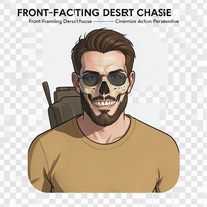 Generate hyper-realistic 8K cinematic motorcycle chase scenes.Open
 -
 Transform photos into hilarious cartoon wake-up scenes.Open
 nilton Jr🛠️ 2340 tools 🙏 69,075 karmaFeb 18, 2026@Woke-Up Chaos – Cinematic Cartoon MorningSimply upload your photo; you don't need to type anything in the prompt field. Just click "generate" and watch the magic happen.
 -
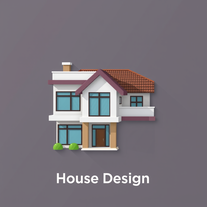
 Transform dream home ideas into stunning architectural visualizations.Open
 - Sponsor
 MongoDB - Build AI That Scales🗄️ Database
 -
 OpenVideo editing is the process of selecting, trimming, and arranging footage to create a cohesive story or visual narrative. Here are some fundamental concepts and techniques: Types of Video Editing Linear editing: A straightforward, sequential approach to editing, where clips are arranged in a linear timeline. Non-linear editing: A more flexible approach, where clips can be arranged and rearranged freely in a timeline. Key Video Editing Techniques Cutting: A transition between two clips, where one clip ends and another begins. Cutting on action: Cutting between two clips while an action is in progress, to create a seamless transition. J-cut: Cutting from one clip to another while audio from the second clip starts playing before the video cuts to it. L-cut: Cutting from one clip to another while audio from the first clip continues to play. Video Editing Software Popular video editing software includes: Adobe Premiere Pro: A professional-level editing software with advanced features and integration with other Adobe tools. Final Cut Pro: A professional-level editing software for Mac users, known for its user-friendly interface and advanced features. DaVinci Resolve: A free and paid editing software that offers advanced color grading and audio editing tools. Best Practices for Video Editing Plan your edit: Develop a clear vision and storyboard before starting to edit. Organize your footage: Label and categorize your clips to make them easily accessible. Keep it simple: Avoid overusing transitions and effects; focus on telling a clear story. Advanced Video Editing Techniques Color grading: Adjusting the color and brightness of footage to create a specific mood or atmosphere. Audio ducking: Automatically reducing the volume of background audio when dialogue is present. Motion graphics: Adding animated text, logos, or other graphics to enhance the visual narrative. Video editing involves selecting, trimming, and arranging footage to create a cohesive story. Linear and non-linear editing are two fundamental approaches. Key techniques include cutting, cutting on action, J-cuts, and L-cuts. Popular software includes Adobe Premiere Pro, Final Cut Pro, and DaVinci Resolve. Best practices involve planning, organizing footage, and keeping it simple. Advanced techniques include color grading, audio ducking, and motion graphics. Capcat pro Capcat pro Download image-to-image-generator generated imagetransparent pixel Image to Image Generator Image to Image Generator Download image-to-image-generator generated imagetransparent pixel Image to Image Generator Image to Image Generator Download image-to-image-generator generated imagetransparent pixel Image to Image Generator Image to Image Generator Download image-to-image-generator generated imagetransparent pixel Image to Image Generator Image to Image Generator Download image-to-image-generator generated imagetransparent pixel Image to Image Generator Image to Image Generator Download image-to-image-generator generated imagetransparent pixel Image to Image Generator Image to Image Generator Download image-generator generated imagetransparent pixel Image Generator Image Generator Copy Video Editing Basics Video editing is the process of selecting, trimming, and arranging footage to create a cohesive story or visual narrative. Here are some fundamental concepts and techniques: Types of Video Editing Linear editing: A straightforward, sequential approach to editing, where clips are arranged in a linear timeline. Non-linear editing: A more flexible approach, where clips can be arranged and rearranged freely in a timeline. Key Video Editing Techniques Cutting: A transition between two clips, where one clip ends and another begins. Cutting on action: Cutting between two clips while an action is in progress, to create a seamless transition. J-cut: Cutting from one clip to another while audio from the second clip starts playing before the video cuts to it. L-cut: Cutting from one clip to another while audio from the first clip continues to play. Video Editing Software Popular video editing software includes: Adobe Premiere Pro: A professional-level editing software with advanced features and integration with other Adobe tools. Final Cut Pro: A professional-level editing software for Mac users, known for its user-friendly interface and advanced features. DaVinci Resolve: A free and paid editing software that offers advanced color grading and audio editing tools. Best Practices for Video Editing Plan your edit: Develop a clear vision and storyboard before starting to edit. Organize your footage: Label and categorize your clips to make them easily accessible. Keep it simple: Avoid overusing transitions and effects; focus on telling a clear story. Advanced Video Editing Techniques Color grading: Adjusting the color and brightness of footage to create a specific mood or atmosphere. Audio ducking: Automatically reducing the volume of background audio when dialogue is present. Motion graphics: Adding animated text, logos, or other graphics to enhance the visual narrative. Video editing involves selecting, trimming, and arranging footage to create a cohesive story. Linear and non-linear editing are two fundamental approaches. Key techniques include cutting, cutting on action, J-cuts, and L-cuts. Popular software includes Adobe Premiere Pro, Final Cut Pro, and DaVinci Resolve. Best practices involve planning, organizing footage, and keeping it simple. Advanced techniques include color grading,
 -
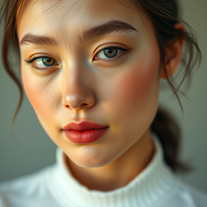 Generate ultra-realistic cinematic portraits with absolute precision.Open
 -
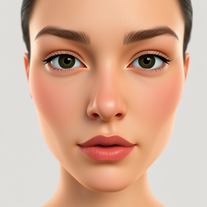 Transform selfies into cinematic horror scenes.Open
 -
 Transform yourself into a Fast & Furious action hero!Open
 -
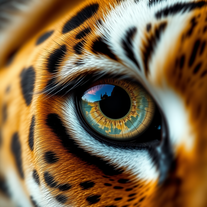 Creates stunning ultra-realistic animal eyeball close-ups.Open
 -
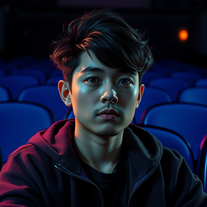 OpenHi, everything alright? Sorry my friend, the intention of the prompt is exactly to use the photo you send; just insert the characters and create the environment. It was trained to do only that, meaning you just need to send the photo and generate it. I have Star Wars in my tools; take a look at the most recent ones I created and you'll find it. Thanks.
 -
 Transform your photos into cinematic masterpieces.Open
 -
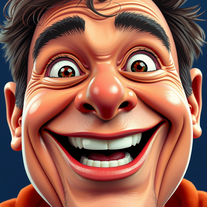
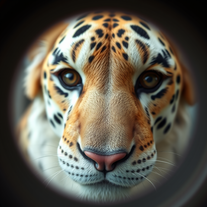 Transform faces into hilarious peephole distortions.OpenThese are SO FUN!!! One of the best minitools on this site, idea is so unique
 - Didn't find the AI you were looking for?
-
 Transform imagination into reality with AI-powered art.Open
 -
 Open
Open -
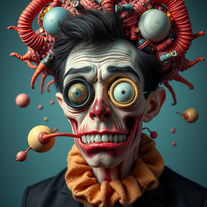 Transform inputs into hyper-realistic, surreal digital art.Open
 -
 Create surreal street art in European cityscapes.Open
 -
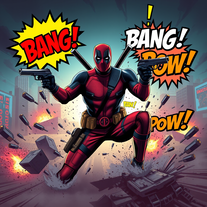
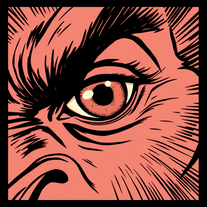 Transform ideas into striking vintage comic close-ups.Open
 -
 Craft adorable Kuromi wallpapers with AI magicOpen
 -
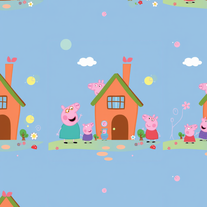 AI-powered Peppa Pig wallpapers for magical kids' roomsOpen
 -
 Create whimsical 3D cartoon backgrounds with charming houses.Open
 -
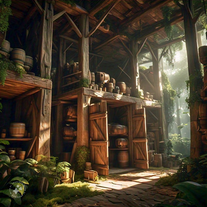 Open
Open -
Makes some pretty houses, gives a good idea for when I want to do it one day.. 4/5
-
This is simple if at first you don't get the image correct opptunity to edit until satisfied
-
 Open
Open -
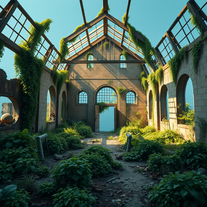 AI art generator for hauntingly beautiful abandoned placesOpen
 -
 Open
Open -
 AI-powered wizard for crafting Chrome extensions effortlesslyOpen





















Post