 Base44 Superagents-AI agent that does it all
 Mini tools

Unleash your imagination with our versatile AI image generator. Create stunning visuals in any style, from photorealistic to abstract, with precise control over composition, lighting, and detail. Elevate your creative vision effortlessly.
Click or drag image
PNG, JPG, GIF up to 10MB
Optional: Upload an image to enhance your generation
Describe the image you want to create, including style, subject, and any specific elements or colors.
Suggest
Generated content is 100% free to use, including commercial use.
 Generate
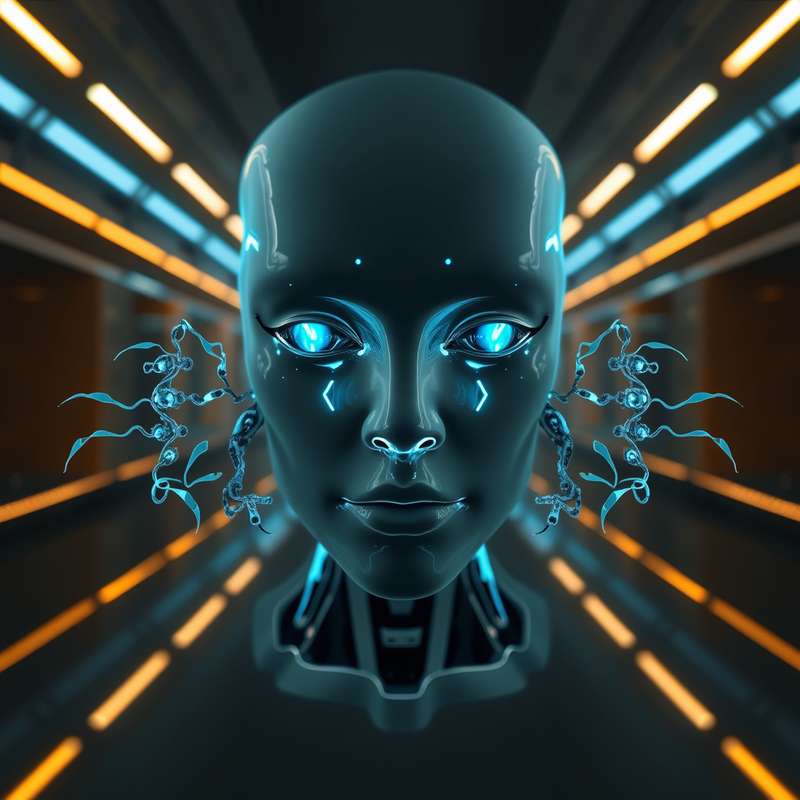

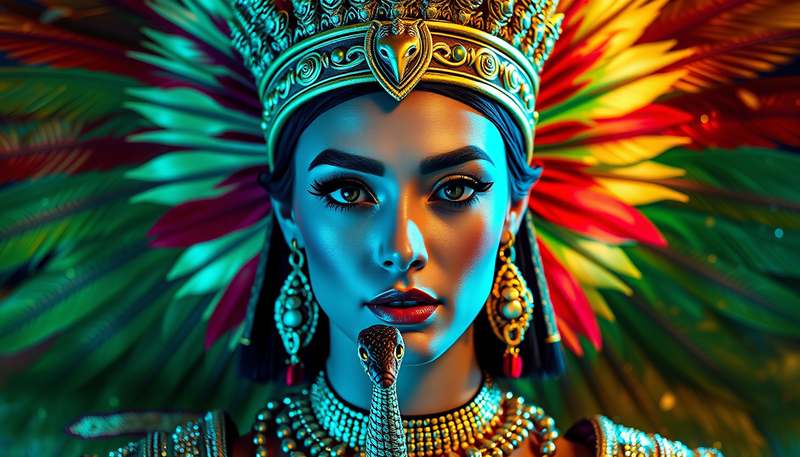
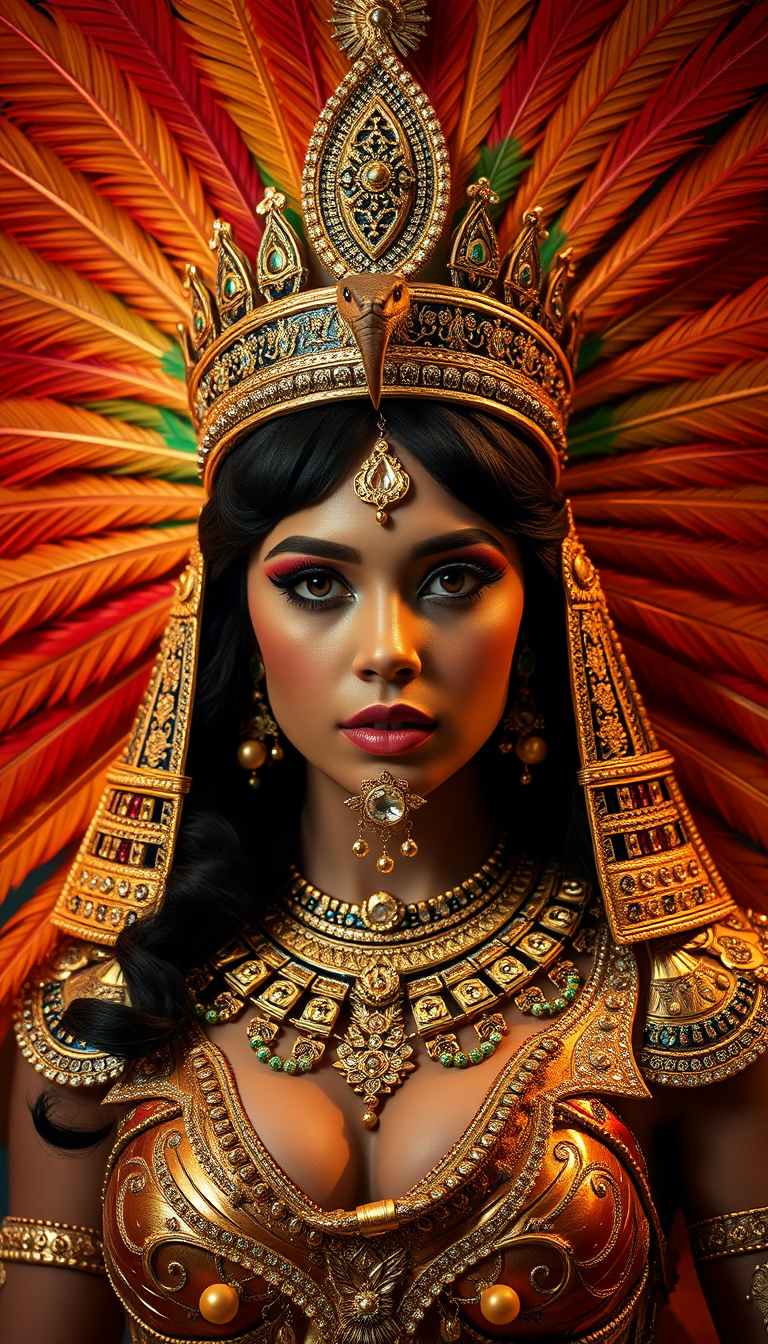
View more mini tools in our Mini Tools section Explore mini tools
Download
10
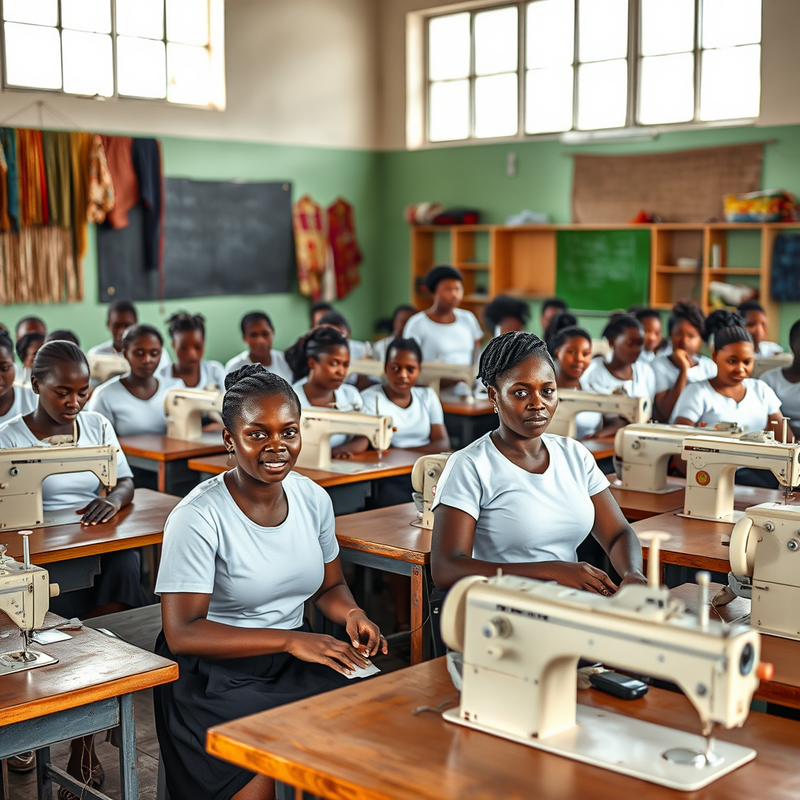

Download
72
Download
72
Download
72
Download
72

Download
61
Download
50
Download
40
Download
62

Download
40
Download
40
Download
40
Download
40
Comments

No bikini image generated
Lot of restrictions
No proper face match
Sometimes shows images blur or not generated
Fix this

Too slow, how about using more than one GPU? My local AI I run at home is way faster than this trash.

For what is is, it is good.
Better, it is free.
I would have just like having a little pg13 (not porn, but swimwear feature) power.
I like sexy, not slut-wear.
But that is censored in every thing anyway.


Its Good, worked well for basic image generation, depends on the prompts

the problem is taking sooooo long to generate images

So far so good it generates images for free unlimited not like those crappy Nano Banana which requires u to pay real money and give u a few credits and fail on the generated image, although a little bit slow generating 1 image

Love the photo upload + edit feature 5/5!
Would be amazing to add an "inspiration/reference" mode: Upload an influencer photo for style/pose/lighting/vibe inspiration + my own photo, then generate a similar shot using my face (realistic swap while keeping the rest intact).
This would let us recreate those pro-looking social media pics easily.
Please add it!

I have just started using this site. I have not used paid tools before but I have seen some of their results. In my opinion this site provides a great value for a free tool.

I agree.. I would rather wait a little longer for the process and it be more accurate.

Still using it, still totally appreciate it. I don't think it's slow, but then I'm not in a constant mad rush. I'm very thankful that this service is even available, free, and produces quality images a lot more often than not. Nothing sucks like credit-based AI that eats very limited credits and gives crap images. Thank you, as always.

this is the finest image generator I have come across online. It produces images that align more precisely with the given prompts. I also appreciate that it remains available for free.

Great tool only problem is that it takes too damn long

maybe is your internet speed or system memory thats slowing down your results

exactly, like this was taking a whole hour and all I ask was to generate a fantasy mansion house and stuff.

Slow but very genuine,100 times better than gemini and chatgpt

It's very slow! Good image generator, but there is who make full nude?

Doesn’t work, just constant screen of pixels, waste of time
I am having issues also. Hopefully they will get it fixed soon. It is great when it is working properly

Okay, is it glitching out for anyone else? It was working fine, now I'm just getting colored static, no matter what I do.


The BEST IMAGE GENERATOR...Thanks to the developer team

Hey, great tool! How can i get the API for this tool?

Too much fast it will take only 1 hour to generate images
How would you rate Image Generator?
Help other people by letting them know if this AI was useful.
Post


Try these tools
-
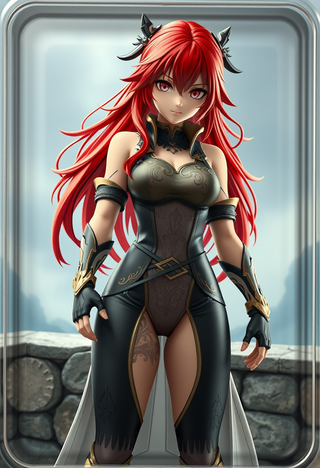
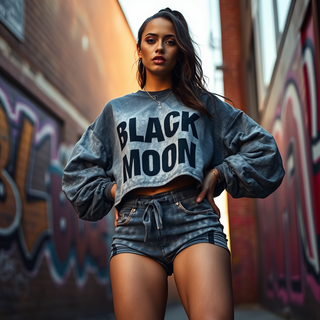

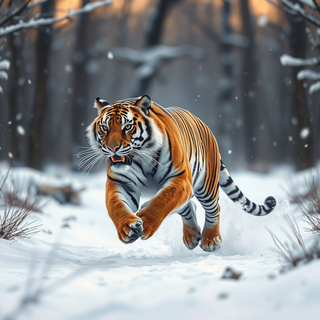
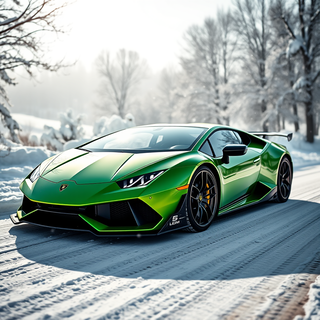
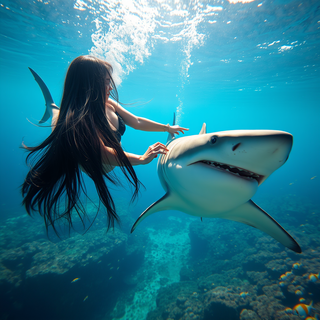
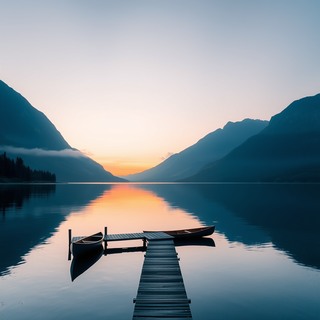
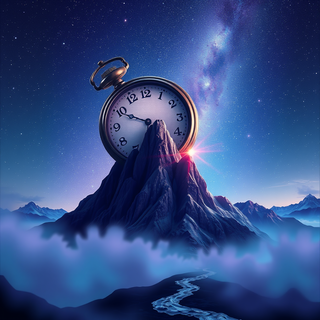
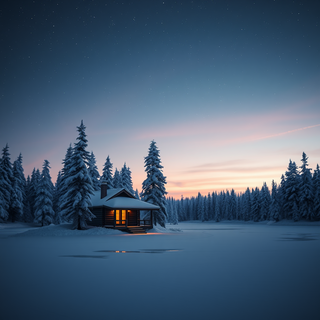 I think it's the best image generator I ever found on the net. It gives more accurate image according to the prompt. And thank you for keeping it for free.
 -
 Transform your images with AI — effortlessly enhance, edit, or reimagine any picture using advanced image-to-image generation. Perfect for creatives, designers, and anyone looking to bring visual ideas to life.Open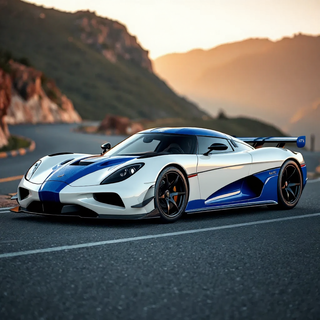
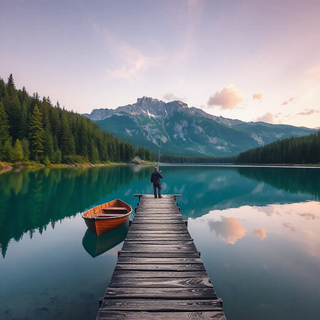
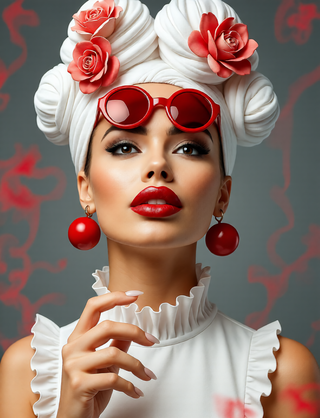
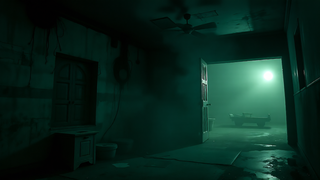
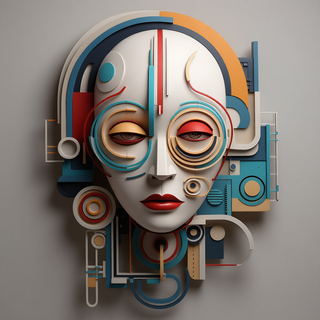
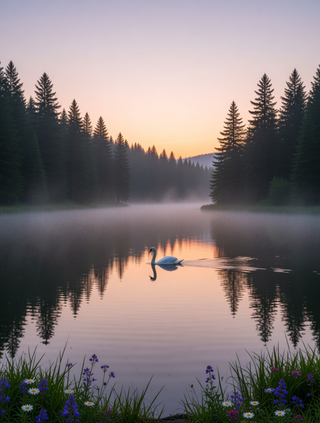


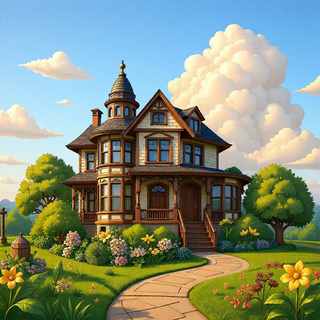 Not at all accurate…. The only thing similar between original and generated images were the clothes and accessories… face was absolutely new and unconnected.
 -



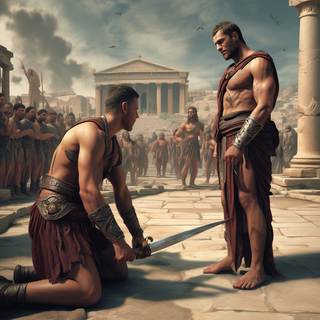
 There were no aristocratic Asians and Africans in ancient Rome.
 -


-

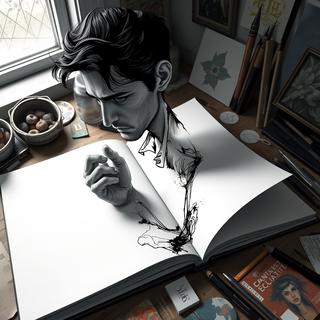


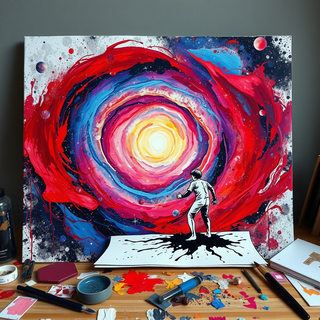
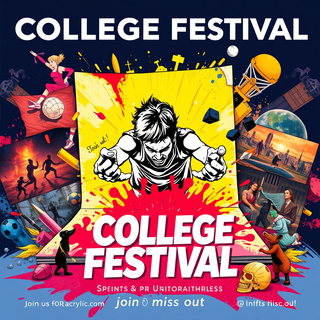
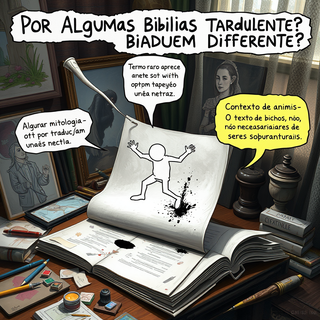
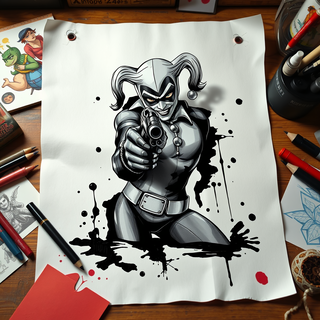 It’s quite nice! It does exactly what it suggests, which is amazing too.
 -

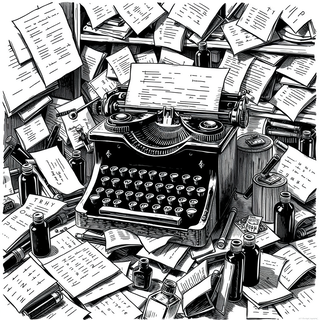
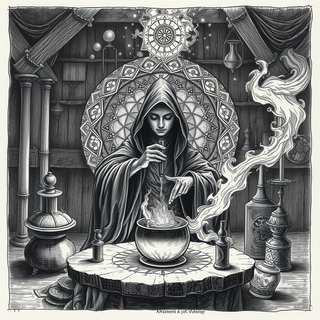
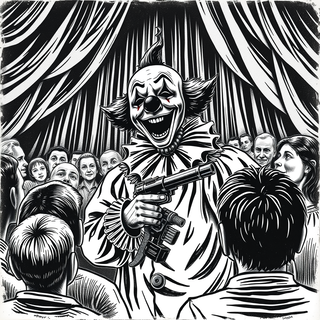
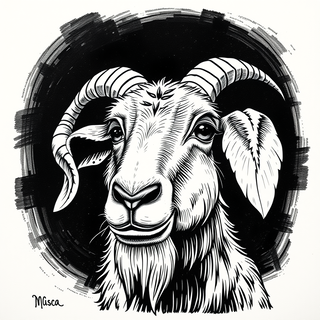
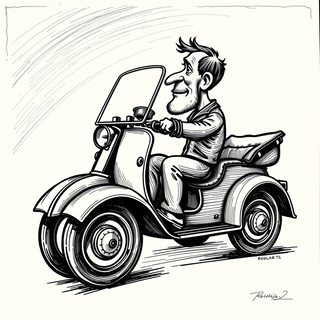
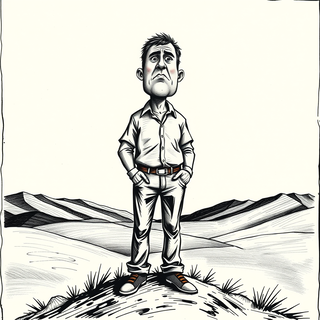

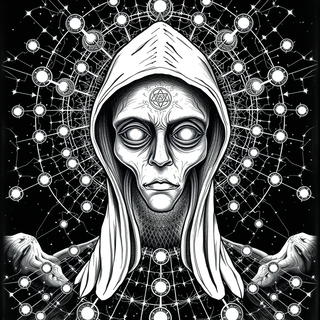 Really impressive! The suggestions were simple, and the image came out beautifully well too!
 -
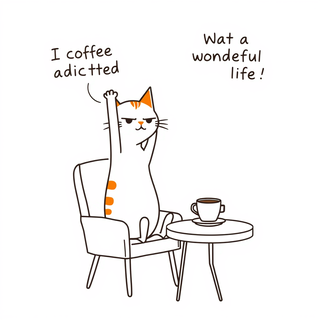

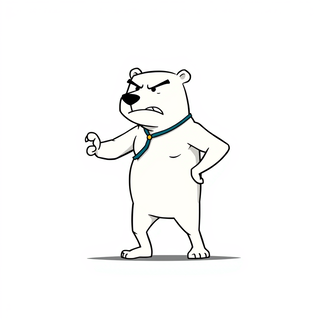
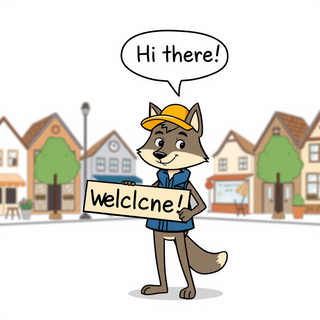
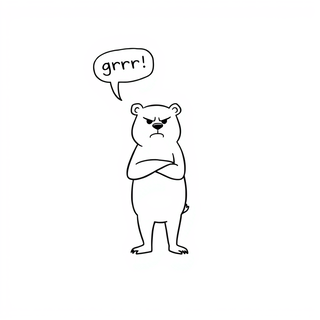 It’s good tool, but needs work when I write what supposed to be written is not working properly
 -


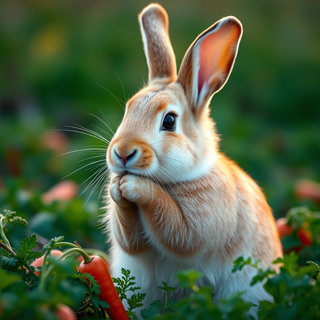


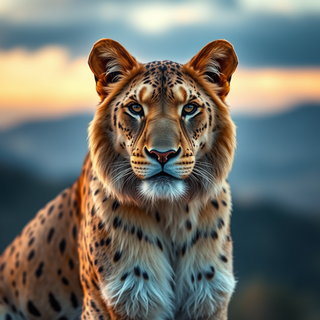 this tool is nice! it generates what i request pretty fast, not to mention the quality. i really like how creative you can be as well, such as dressing up animals in funny clothes :)
 -
 Open
Open
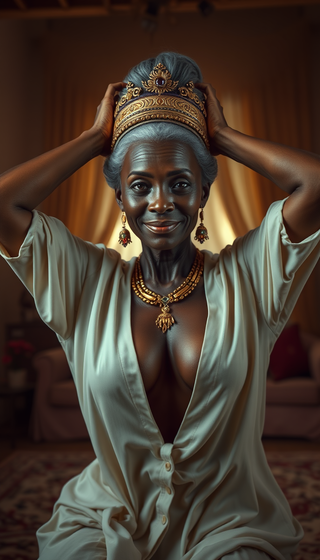
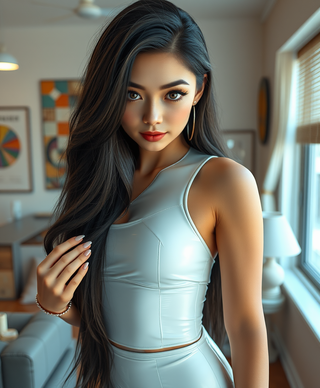


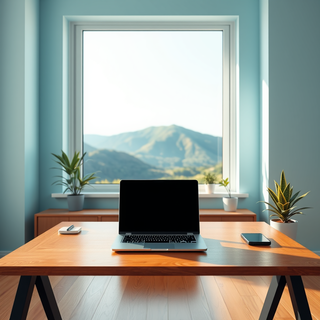


 It is very receptive to the prompts and gives very aesthetically pleasing results.
 -


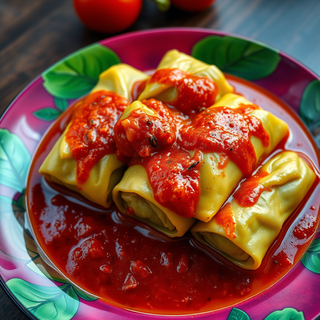
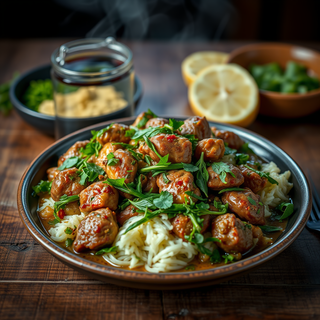
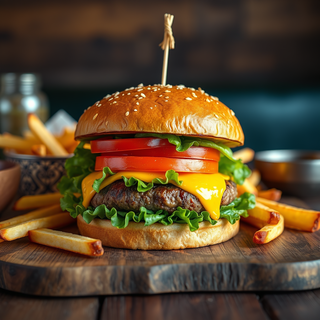
-


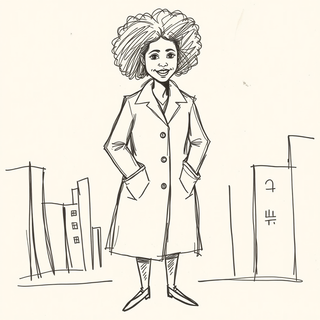


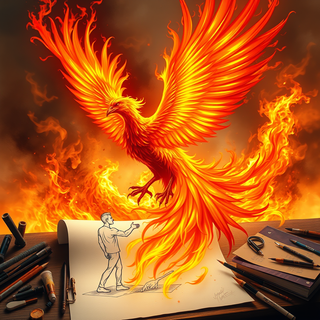
 It’s amazing!!! It’s one of the best sketch image bots I’ve used. It makes the images look well sketched too.
 -


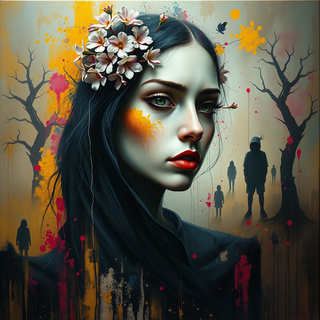

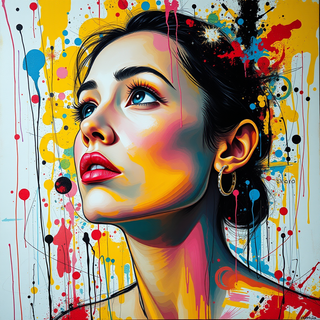
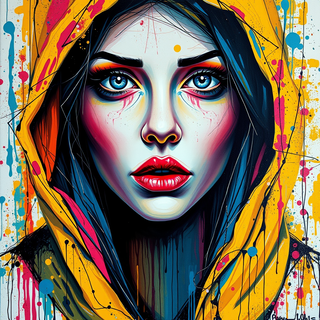
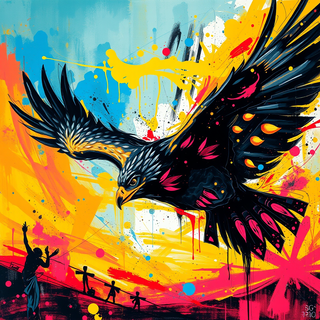

 This is a fantastic tool. It helps me a lot to illustrate my poems and short stories.