Mini tools
Python Sandbox
Secure and lightweight Python code execution environment for LLMs
README
Python Sandbox
A secure code interpreter for executing untrusted Python code in isolated Docker containers. This service provides a REST API for running code with strict resource limits, timeout controls, and file handling capabilities.
Everything runs locally and the execution environment comes pre-packaged with a list of common Python libraries.
This project aims to be the easiest, lightest weight way to add secure Python execution to your AI agent.
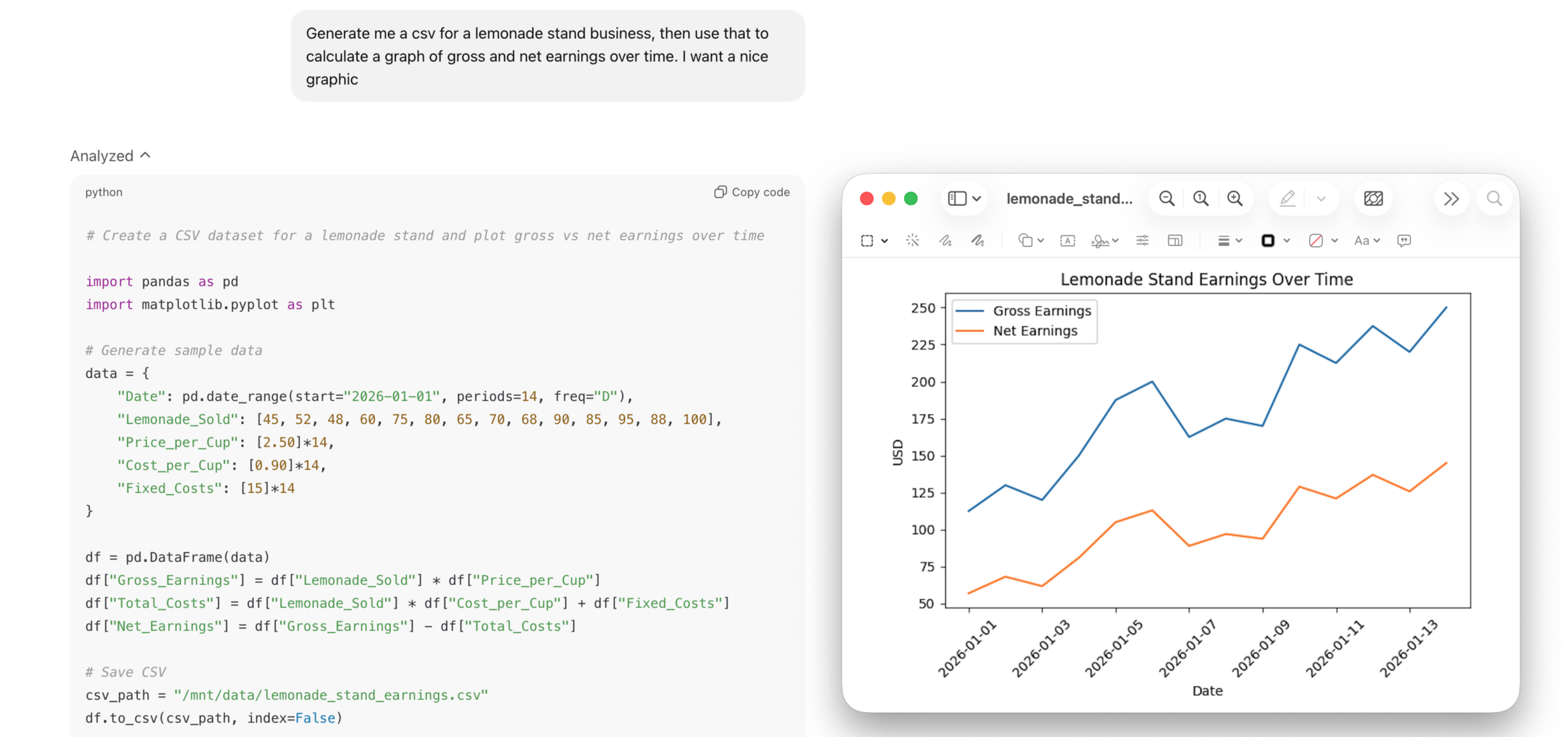
How it works
The security first architecture and an overview of the implementation can be found here.
Quick Start
Note: This repo powers the Code Interpreter feature in Onyx.
Check out the implementation here as a reference for using it in your app.
Docker Deployment
Option 1: Docker-out-of-Docker (Recommended)
This is the recommended approach for most use cases. This shares the host's Docker daemon for better performance to spin up and manage the ephemeral code execution containers.
docker run --rm -it \
  --user root \
  -p 8000:8000 \
  -v /var/run/docker.sock:/var/run/docker.sock \
  onyxdotapp/code-interpreter
When to use:
- You have access to the host Docker socket
- You want better performance and faster startup times
- You're running in a trusted environment
Note: Requires --user root to access the Docker socket. The executor image will be pulled at runtime if not already present on the host.
Option 2: Docker-in-Docker
Use this when you need complete isolation or can't access the host Docker socket. This runs a separate Docker daemon in a container to manage the code execution containers.
docker run --rm -it \
  --privileged \
  -p 8000:8000 \
  onyxdotapp/code-interpreter
When to use:
- You need complete isolation between the service and host
- You can't or don't want to mount the host Docker socket
- You're running in a restricted environment
Important notes:
- Requires
--privilegedflag - The Docker daemon will automatically start inside the container (takes a few seconds)
- On first run, the executor image will be pulled during server startup (~30-60 seconds)
- Subsequent runs will reuse the cached image (instant startup)
- The server will not accept requests until the executor image is available
Kubernetes Deployment
See here for Helm and K8s deployment instructions
API Usage
NOTE: for full API docs, start the service up and visit /docs.
Execute Python Code
POST /v1/executeRequest:
{
  "code": "print('Hello, World!')\n2 + 2",
  "stdin": null,
  "timeout_ms": 2000,
  "last_line_interactive": true,
  "files": []
}
Response:
{
  "stdout": "Hello, World!\n4\n",
  "stderr": "",
  "exit_code": 0,
  "timed_out": false,
  "duration_ms": 145,
  "files": []
}
File Management
Upload a file for use in code execution:
POST /v1/files
Content-Type: multipart/form-data

# Upload file
curl -X POST http://localhost:8000/v1/files \
  -F "[email protected]"
Use uploaded files in execution:
{
  "code": "import pandas as pd\ndf = pd.read_csv('data.csv')\nprint(df.head())",
  "files": [
    {
      "path": "data.csv",
      "file_id": "uuid-from-upload-response"
    }
  ]
}
Retrieve generated files:
GET /v1/files/{file_id}List all files:
GET /v1/filesDelete a file:
DELETE /v1/files/{file_id}Configuration
Configure the service via environment variables:
HOST: Server host (default:0.0.0.0)PORT: Server port (default:8000)MAX_EXEC_TIMEOUT_MS: Maximum execution timeout in milliseconds (default:10000)CPU_TIME_LIMIT_SEC: CPU time limit per execution (default:5)MEMORY_LIMIT_MB: Memory limit per execution (default:128)MAX_OUTPUT_BYTES: Maximum output size (default:1048576= 1MB)MAX_FILE_SIZE_MB: Maximum file upload size (default:10)FILE_STORAGE_DIR: Directory for file storage (default:/tmp/code-interpreter-files)
Security
- All code execution happens in isolated environments
- Strict resource limits prevent resource exhaustion
- No direct filesystem access to host system
- Configurable timeouts prevent infinite loops
- Output size limits prevent memory attacks
- File uploads are validated and size-limited
License
MIT License - see LICENSE file for details.
Copyright (c) 2025-present DanswerAI, Inc.