 Base44 Superagents-AI agent that does it all
 Mini tools
Refined illustration
4.146 users42

Transform architectural concepts into elegant watercolor-style illustrations. Blends precise line art with soft washes, creating historically-inspired renderings that balance technical accuracy with artistic charm.
Click or drag image
PNG, JPG, GIF up to 10MB
Optional: Upload an image to enhance your generation
Your input
Suggest
Generated content is 100% free to use, including commercial use.
 Generate


View more mini tools in our Mini Tools section Explore mini tools


How would you rate Refined illustration?
Help other people by letting them know if this AI was useful.
Post
-
 Miro has massively improved how we collaborate and execute. The AI features have made a real difference in day-to-day productivity, helping us structure ideas quickly and get to decisions faster. What really surprised me is the new prototyping feature: it’s now much easier to turn a workshop board into an actual prototype and iterate with the team. If you’re running product work, workshops, roadmaps, or even GTM planning, Miro is worth it.
 -




Try these tools
-
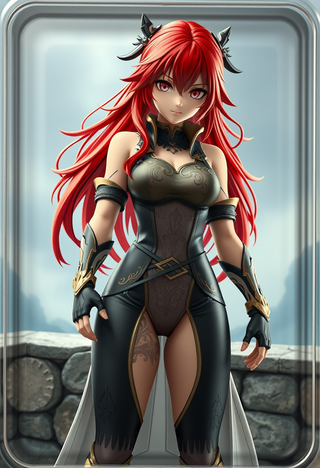
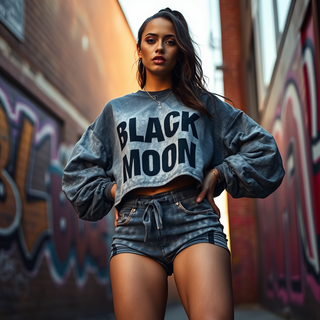






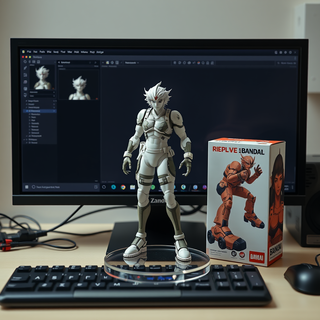 I think it's the best image generator I ever found on the net. It gives more accurate image according to the prompt. And thank you for keeping it for free.
 -
 Transform your images with AI — effortlessly enhance, edit, or reimagine any picture using advanced image-to-image generation. Perfect for creatives, designers, and anyone looking to bring visual ideas to life.Open
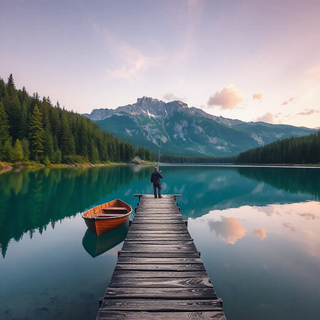

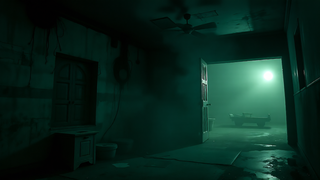
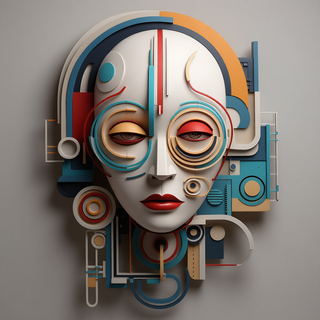



 Not at all accurate…. The only thing similar between original and generated images were the clothes and accessories… face was absolutely new and unconnected.
 -




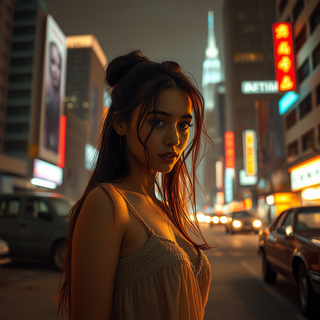

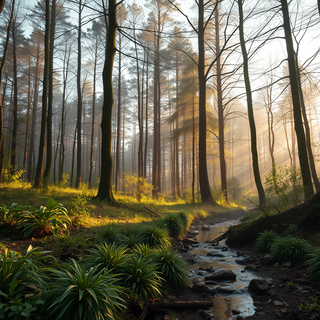
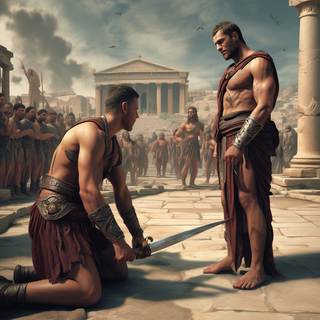
 There were no aristocratic Asians and Africans in ancient Rome.
 -



-
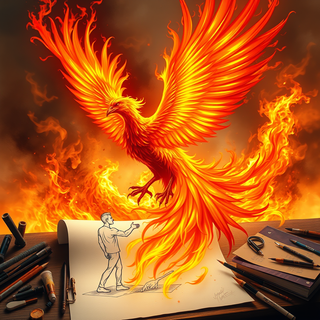

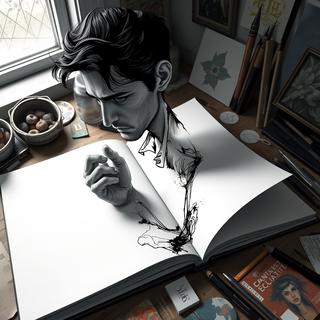


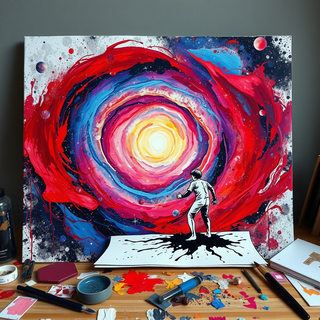
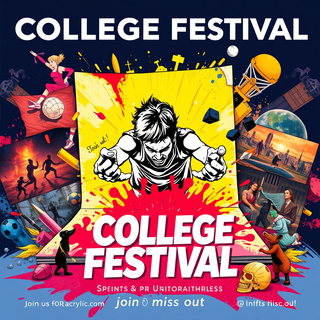
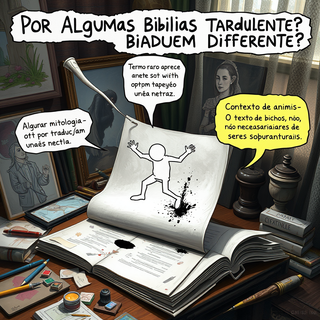
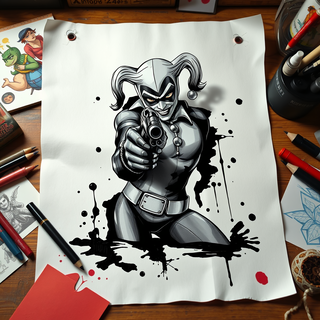 It’s quite nice! It does exactly what it suggests, which is amazing too.
 -

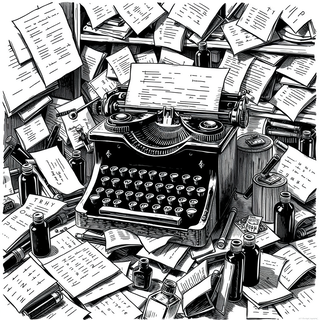
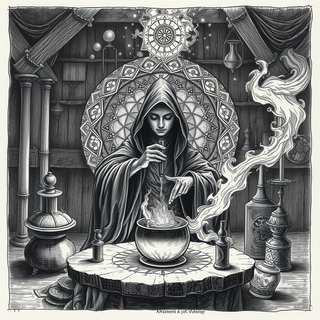
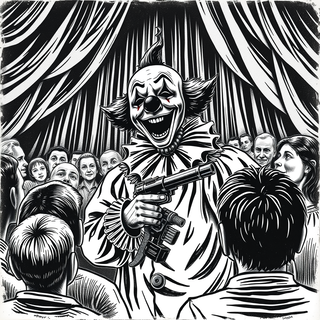
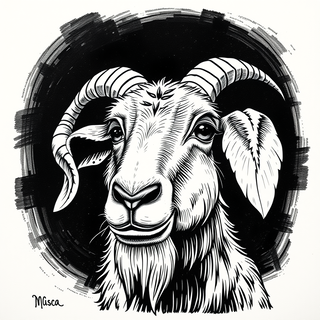
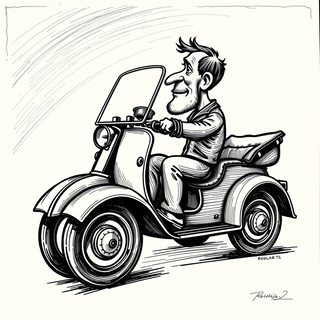
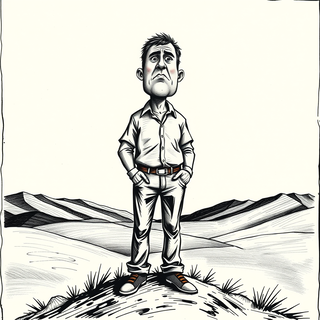

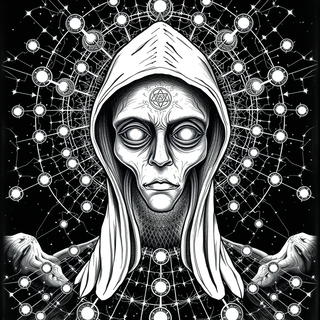 Really impressive! The suggestions were simple, and the image came out beautifully well too!
 -
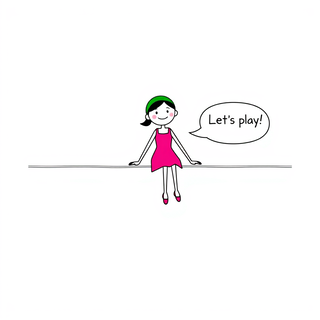
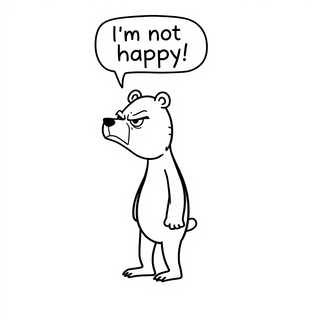
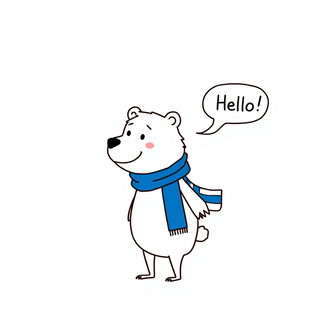
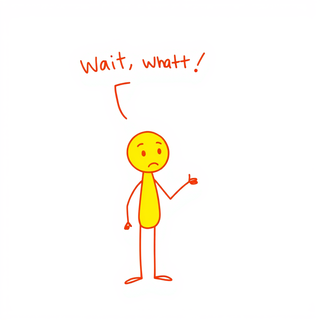
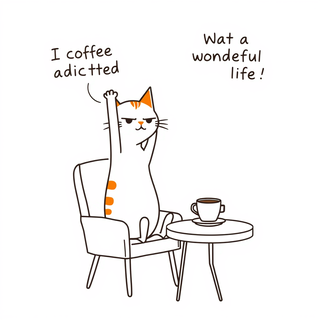

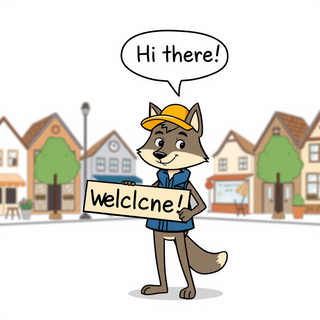
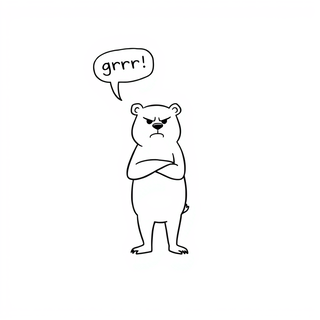 It’s good tool, but needs work when I write what supposed to be written is not working properly
 -





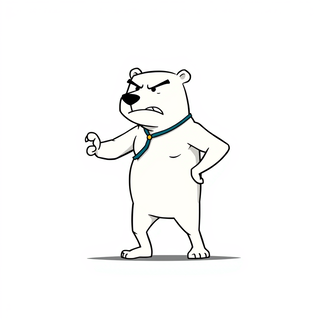
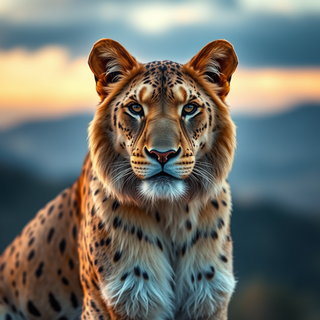 this tool is nice! it generates what i request pretty fast, not to mention the quality. i really like how creative you can be as well, such as dressing up animals in funny clothes :)
 -
 Open
Open
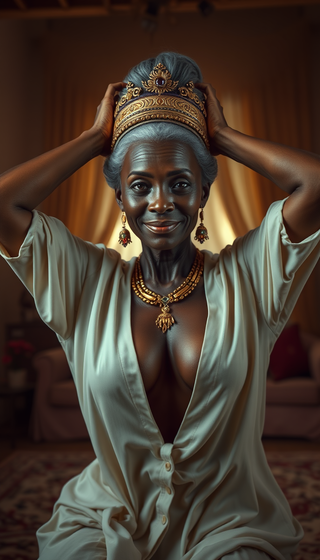
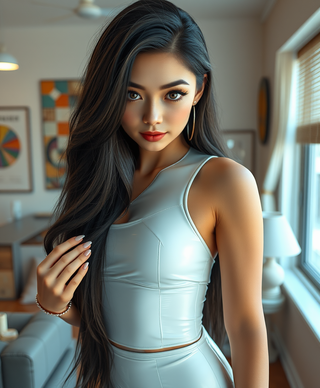





 It is very receptive to the prompts and gives very aesthetically pleasing results.
 -


-


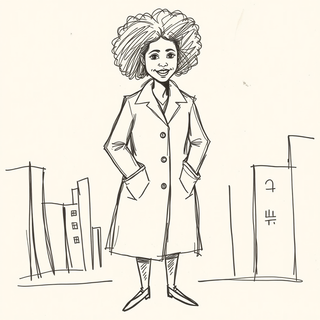


 It’s amazing!!! It’s one of the best sketch image bots I’ve used. It makes the images look well sketched too.
 -


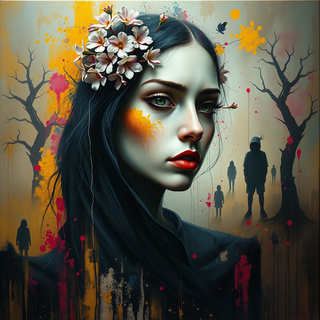

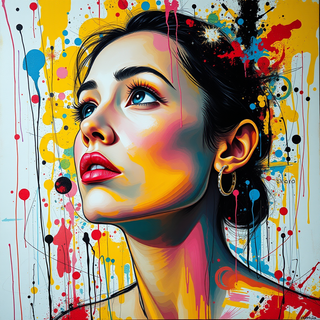
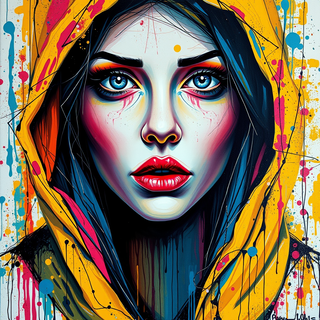
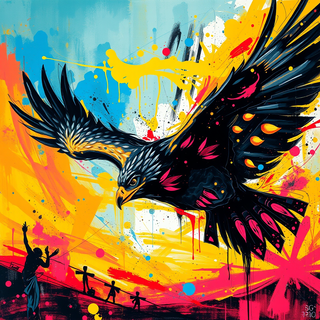

 This is a fantastic tool. It helps me a lot to illustrate my poems and short stories.