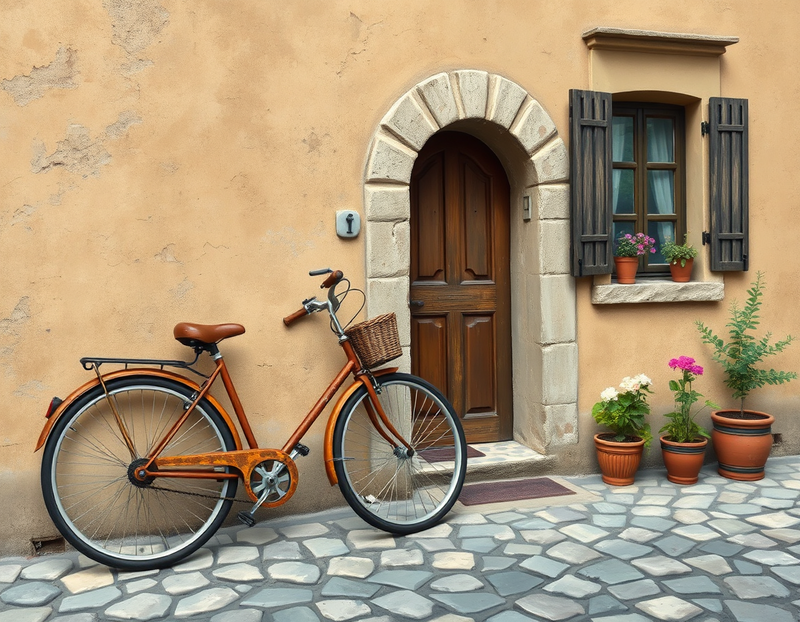
An idyllic scene unfolds at a rustic doorway, showcasing a vintage bicycle and vibrant potted flowers against a textured wall.
The primary subject on the left is a classic bicycle, exhibiting signs of age with a patina on its frame. It features a brown leather seat and a woven wicker basket. The bicycle is positioned at an angle, its wheels resting on the cobblestone. The secondary visual elements are the various potted plants, predominantly in terracotta pots, which add pops of color and life to the scene.
The setting is a quaint, aged building, likely in a Mediterranean village. The walls are rendered in a rough, textured plaster that shows signs of age and weathering, creating a warm, earthy backdrop. The stone archway around the door and the window ledges are made of rough-hewn stone, adding to the rustic appeal. The ground is paved with uneven cobblestones, further enhancing the historical and charming ambiance. The lighting suggests a soft, diffused daylight, possibly late afternoon, casting subtle shadows and highlighting the textures of the walls and stonework.
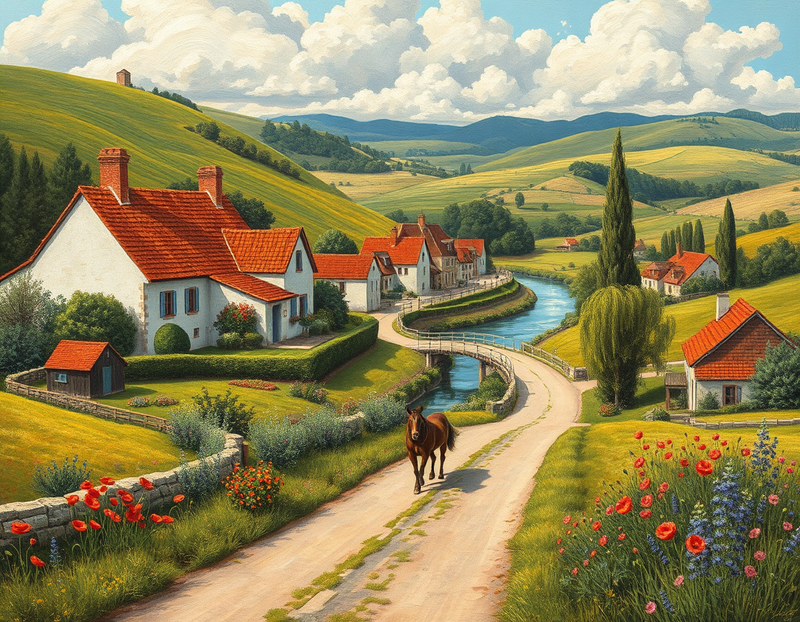
A painting depicting a village lying in the enchanting Seine Valley. A winding main road, lined with whitewashed houses, leads to it: their moss-covered roofs, with their red tiles, create an effect of opalescent green and red in the sunlight, or a muted mauve in the shade. High walls enclose picturesque gardens, and vast hillsides, where various vegetable crops form colorful squares, slope down to very flat, low meadows, crossed by the river between tall willows. Poppies and violets bloom. Peasants sit or lie in the grass near their grazing cattle, or lead their large Norman horses, adorned with magnificent blue collars and fur trim.
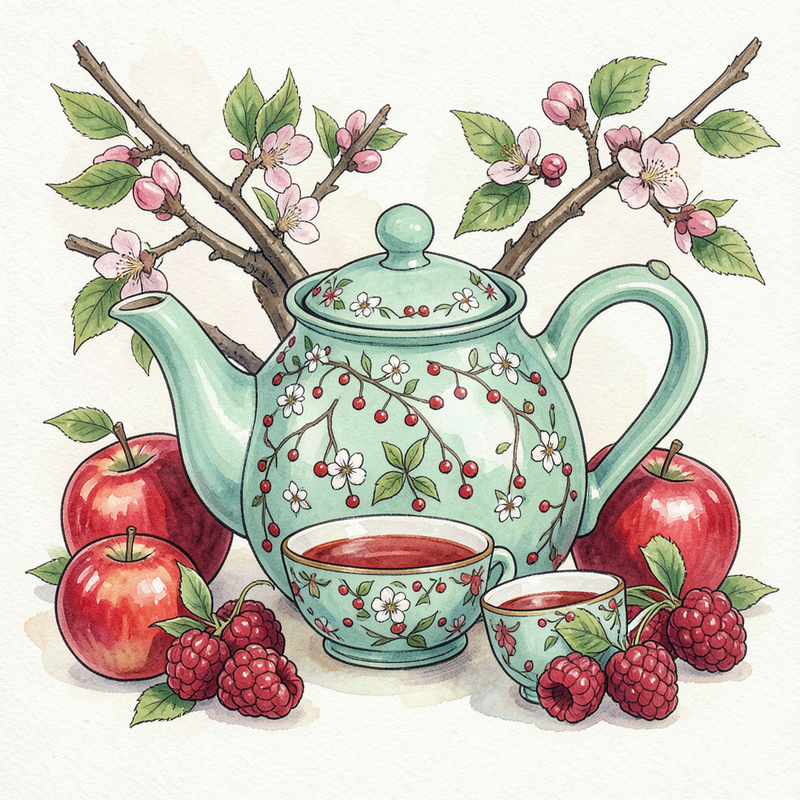
Detailed watercolor painting on a textured canvas background.A vintage mint-green ceramic teapot and a matching teacup filled with tea.The set is intricately decorated with tiny red berries and delicate white flowers.Surrounding the set are ripe red apples, clusters of vibrant raspberries, and blossoming apple tree branches with soft pink buds. Soft, diffused natural lighting.Precise brushwork, no drips or splatters, sharp focus on the fine patterns and fruit textures.High-quality artistic realism.
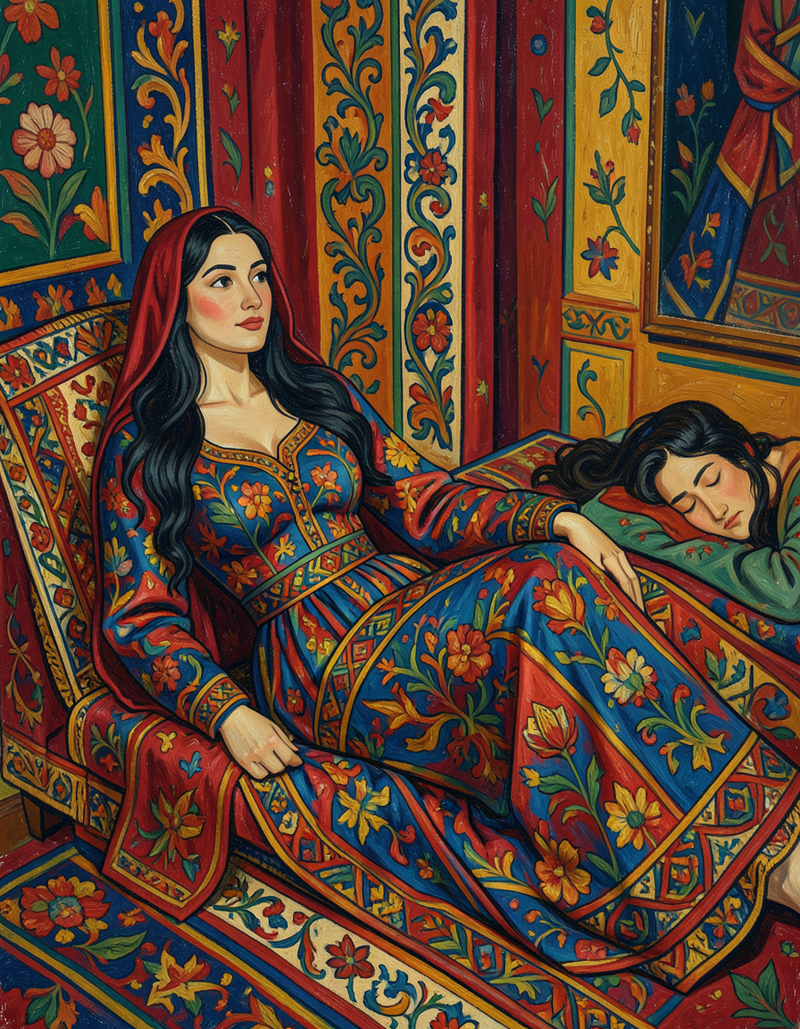
An opulent oil painting depicts a solitary woman adorned in richly patterned garments, lounging amidst a luxurious interior, evoking a sense of languid contemplation and orientalist fantasy.
The scene is composed with a strong emphasis on the central figure, who is positioned in the lower-left quadrant, drawing the viewer's immediate attention. Her reclining posture and the diagonal lines of her limbs create a sense of relaxed dynamism within the frame. The framing is tight, focusing on the intimate setting and the details of the room, with elements like ornate textiles filling the space around her. Another figure, partially obscured and asleep, rests in the background on the right, providing a subtle contrast to the alertness of the main subject and adding depth to the narrative.
The key subject is a young woman with long, dark, wavy hair cascading over her shoulders, partially covered by a deep red headscarf. She possesses striking dark eyes that gaze downwards with a pensive or perhaps melancholic expression. Her skin is fair and smoothly rendered, with rosy cheeks and delicately painted lips. She is adorned in a layered ensemble typical of orientalist interpretations: a patterned vest over a striped fabric, voluminous patterned trousers, embroidered over-garment with flowing sleeves. Her attire is further accessorized with multiple strands of gold necklaces, bracelets, and rings, suggesting wealth and status. Her pose is one of ease and repose, with her left arm resting on her knee and her right hand delicately holding a small object, possibly a fan or a piece of fruit.
This is a masterfully executed oil painting, likely created in the 19th century, showcasing the characteristics of academic realism with a strong orientalist influence. The technical execution is superb, with fine brushwork that creates smooth transitions of color and form, particularly evident in the rendering of skin, fabric textures, and the intricate patterns of her clothing. The style is dramatic and theatrical, employing chiaroscuro to highlight the central figure and create a rich, atmospheric depth.
The setting appears to be an interior space. characterized by richly patterned textiles, including plush cushions and draped fabrics in deep reds, golds, and blues. An ornate hookah stands prominently to the right, a common motif in orientalist art symbolizing leisure and indulgence. The background reveals further details of the room, including patterned wallpaper or tapestries and a decorative fan with black and white feathers. The lighting is dramatic and localized, originating from an unseen source that casts soft shadows and highlights the key subject, imbuing the scene with a warm, intimate, and slightly mysterious atmosphere.
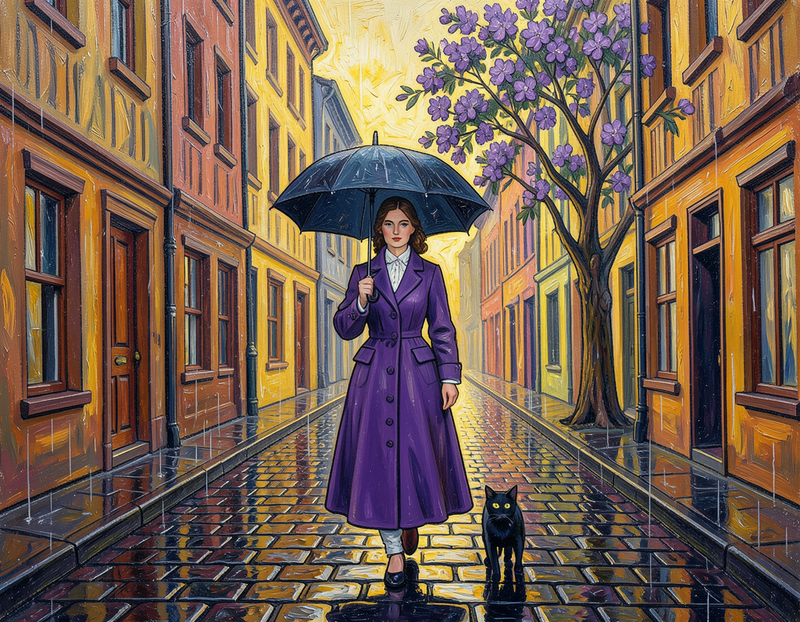
textured oil painting of a woman walking down a dark wet cobblestone street on a rainy day, wearing a long purple coat and holding a black umbrella, with a small black cat by her side, surrounded by tall buildings and a tree with purple flowers, in the style of impressionism and romanticism, with warm golden and yellow hues
 Flow - 4x faster than typing
 Mini tools

 Generate

 Turn documents into narrated video presentations instantly.Open
 Start with a blog post, document, or topic, and Presentation Agent creates your presentation video automatically.
 Reducing manual efforts in first-pass during code-review process helps speed up the "final check" before merging PRs




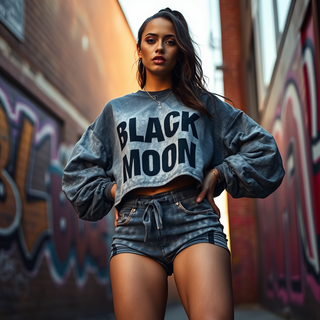



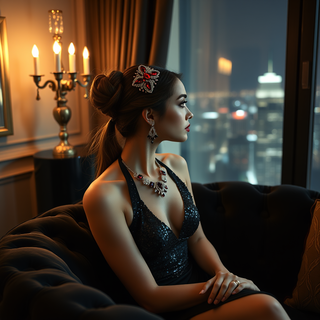

 I think it's the best image generator I ever found on the net. It gives more accurate image according to the prompt. And thank you for keeping it for free.
 Transform your images with AI — effortlessly enhance, edit, or reimagine any picture using advanced image-to-image generation. Perfect for creatives, designers, and anyone looking to bring visual ideas to life.Open
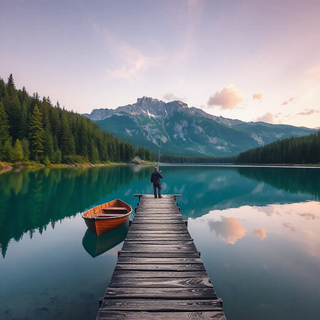
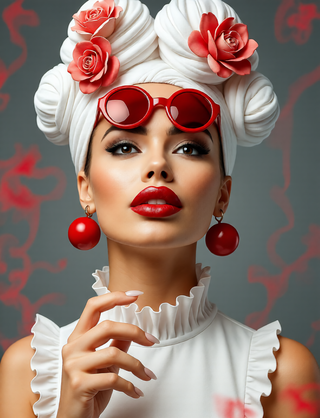
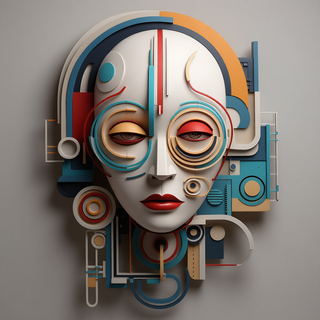
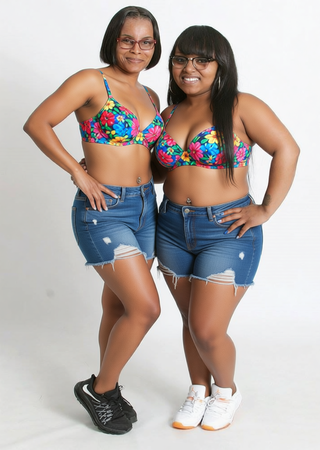
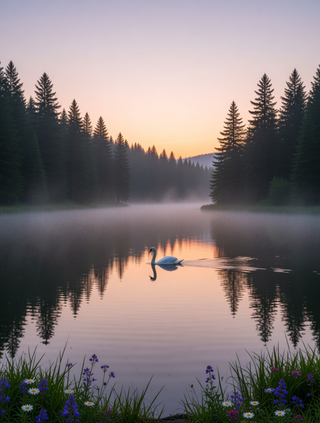
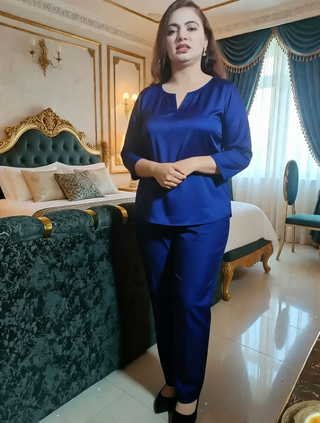
 Not at all accurate…. The only thing similar between original and generated images were the clothes and accessories… face was absolutely new and unconnected.




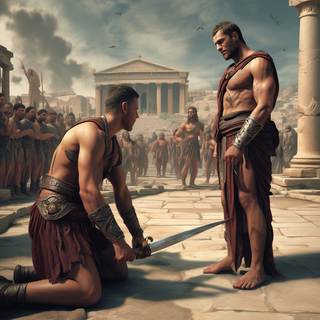
 There were no aristocratic Asians and Africans in ancient Rome.





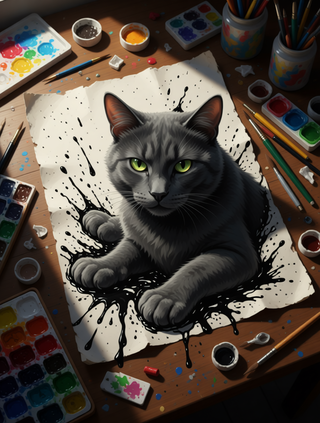


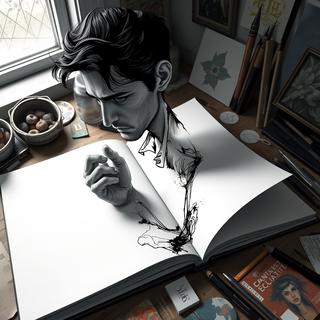


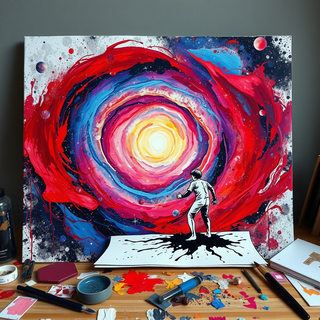
 It’s quite nice! It does exactly what it suggests, which is amazing too.
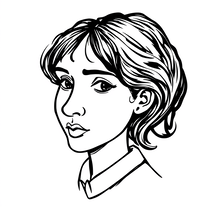 Open
Open
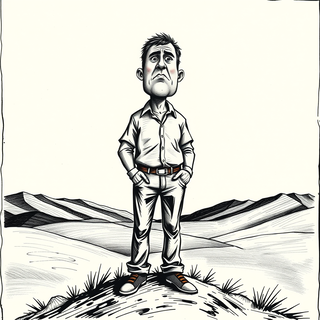 Really impressive! The suggestions were simple, and the image came out beautifully well too!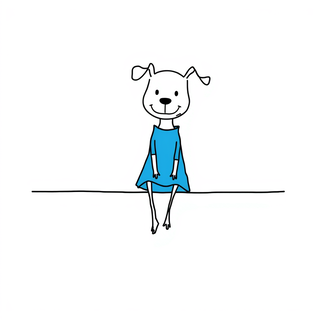


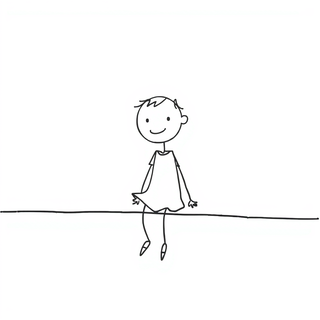
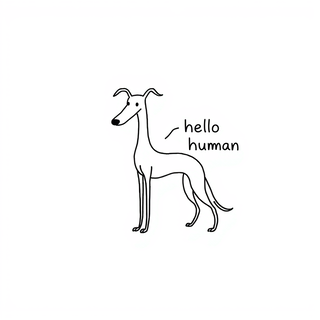


 It’s good tool, but needs work when I write what supposed to be written is not working properly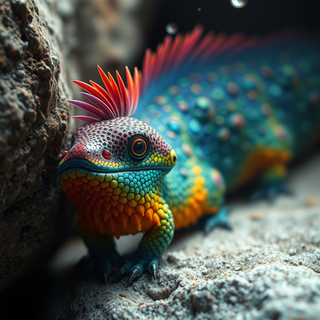
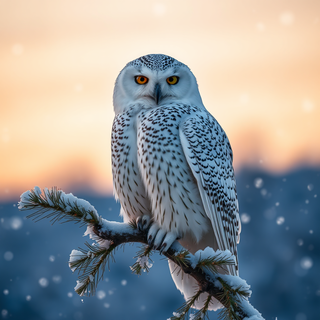


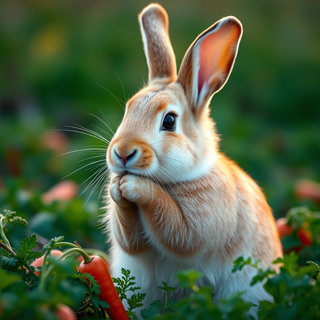


 this tool is nice! it generates what i request pretty fast, not to mention the quality. i really like how creative you can be as well, such as dressing up animals in funny clothes :)
 Open
Open
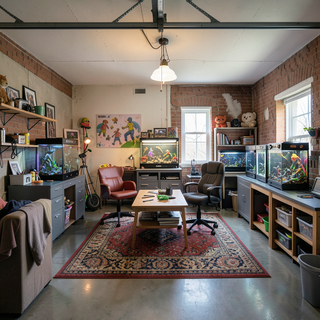

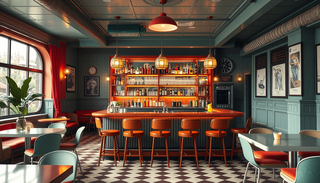


 It is very receptive to the prompts and gives very aesthetically pleasing results.




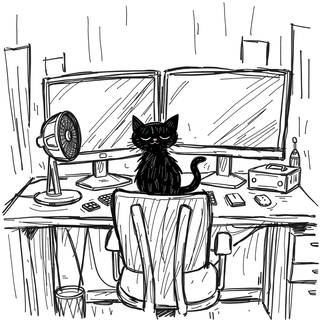


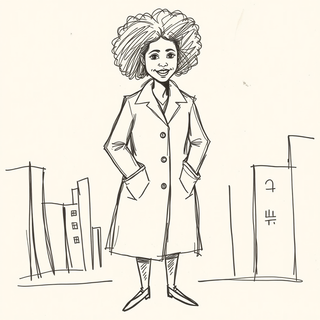


 It’s amazing!!! It’s one of the best sketch image bots I’ve used. It makes the images look well sketched too.


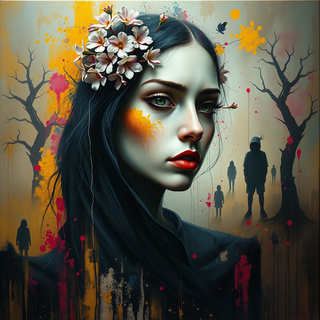

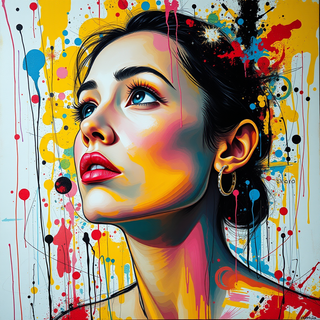
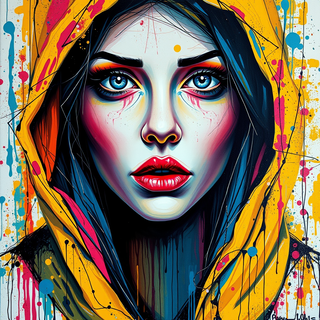
 This is a fantastic tool. It helps me a lot to illustrate my poems and short stories.