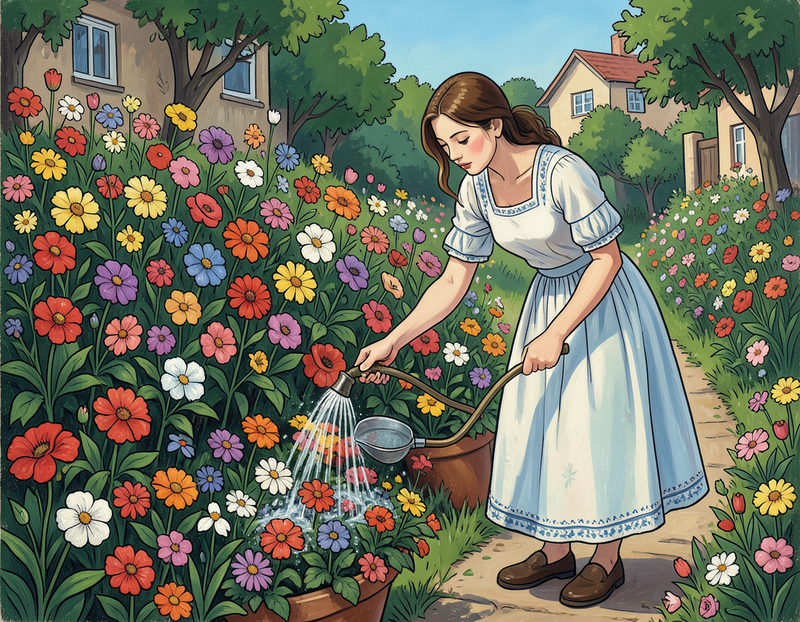
A young girl in a quaint garden diligently waters a vibrant bed of flowers, her focused attention embodying a gentle moment of horticultural care amidst a picturesque setting.
The scene is composed with the girl positioned in the right-center of the frame, drawing the viewer's eye towards her activity. She is the clear focal point, surrounded by a lush, overflowing garden. The framing is tight enough to emphasize the intimacy of the moment but broad enough to include the charming background elements. Her posture is one of quiet concentration, leaning forward slightly as she directs the water. To her left, a dense cluster of diverse flowers forms a colorful backdrop, while the path she stands on leads the eye into the scene.
The central figure is a young girl, likely in her early to mid-childhood, dressed in attire suggestive of the Victorian or Edwardian era. She wears a pale grey coat with decorative trim and a white collar, over what appears to be a lighter dress, with dark blue stockings and black shoes. Her hat is a dark straw boater with a ribbon. Her facial features are delicate, with blonde hair visible beneath her hat, and her expression is one of serene focus. Her pose is natural and unforced, conveying a sense of calm diligence as she holds a brass watering can, tilting it to pour water onto the plants.
The artwork is an oil painting rendered in a realistic yet somewhat impressionistic style. The brushwork is visible, contributing to a textured and lively surface. The artist has skillfully captured the play of light and the subtle variations in color and form within the flowers and foliage. The style suggests a focus on naturalism and the beauty of everyday domestic scenes, with a romantic undertone. The detail in the flowers and the rendering of the watering can demonstrate technical proficiency.
The setting is a beautifully cultivated garden, overflowing with a variety of flowering plants, including dahlias, poppies, and pansies, in a rich palette of reds, pinks, whites, yellows, and purples. The ground is paved with cobblestones, with fallen petals scattered about, suggesting recent activity. In the background, a quaint stone house with a tiled roof and a tall chimney is partially visible, nestled amongst mature trees and foliage. The lighting appears to be soft and natural, likely from an overcast day or late afternoon sun, casting gentle shadows and highlighting the rich colors of the flowers. This creates a peaceful, idyllic, and slightly nostalgic atmosphere.
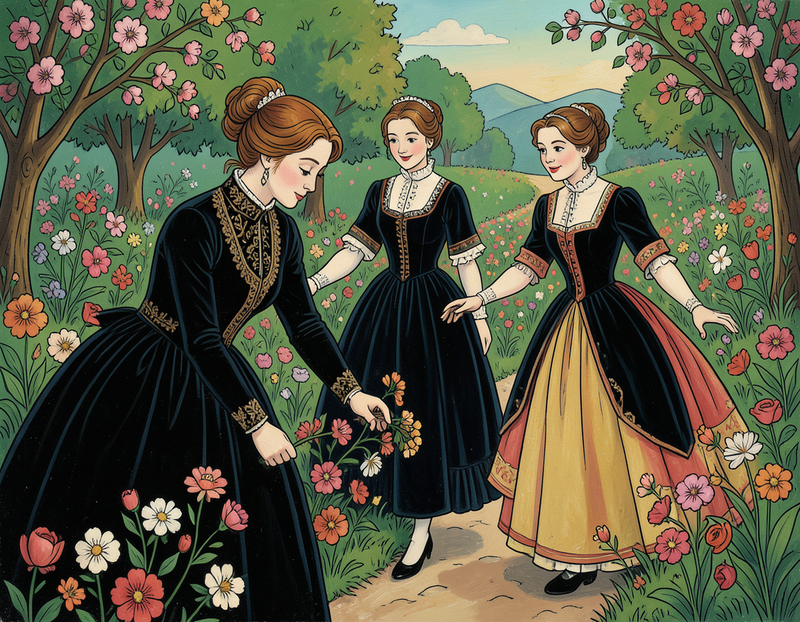
A Victorian-era painting portrays three elegantly dressed women amidst a blossoming garden, capturing a serene moment of shared observation and gentle interaction.
The composition centers on a winding pathway that draws the viewer's eye into the scene, leading towards a vibrant flower bed. The figures are strategically placed to create a sense of narrative flow, with the foreground figure engrossed in examining flowers, the middle figure observing with a gentle smile, and the youngest figure reaching out as if engaged in play or curiosity.
The foremost figure, on the left, is a woman with auburn hair styled in an updo, wearing an elaborate black velvet gown with a high collar and intricate detailing on the sleeves and bodice. Her pose is one of gentle bending as she delicately touches a cluster of flowers. Her expression is one of focused appreciation. Beside her and slightly behind, a second woman, with dark hair also styled up and adorned with a purple hat, wears a rich plum-colored velvet coat with ornate trim and a lacy white collar.
This artwork is a meticulously executed oil painting, characteristic of late 19th-century academic art.
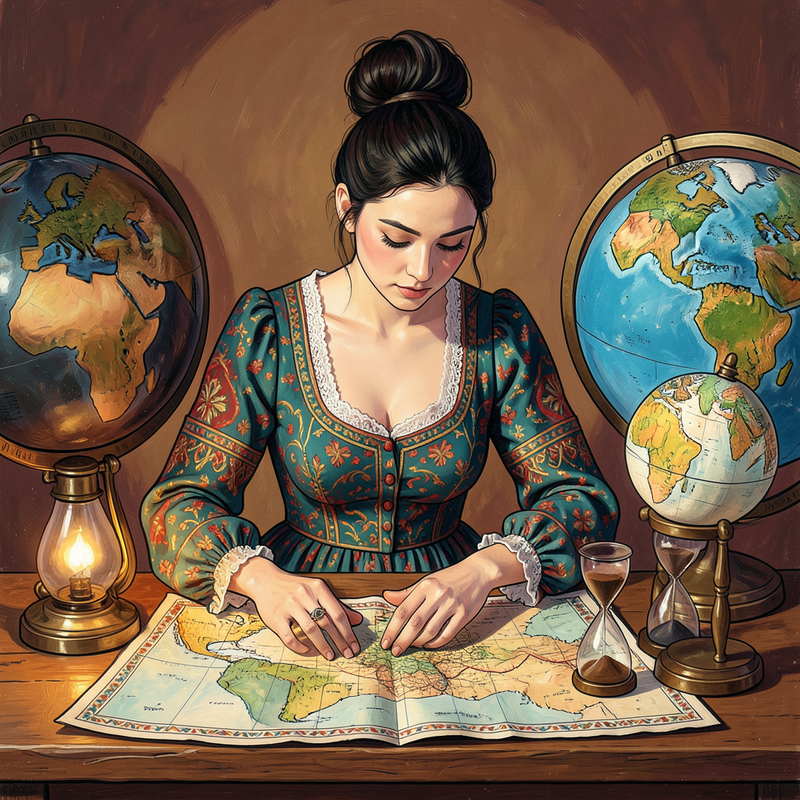
A young woman pores over a map surrounded by globes and hourglasses under the warm glow of a lantern.
The image depicts a young woman with dark hair styled in an updo, her head bowed in concentration as she studies a map laid out on a wooden table. Her attire is a richly patterned dress in shades of teal, red, and gold, with a low neckline trimmed with white lace. The dress has long sleeves with ruffled cuffs. Her skin is pale and illuminated by the warm light. She wears a delicate ring on her right hand, which rests on the map.
To her left and right are two antique-looking globes, both showing detailed maps of the Earth. The globe on the left is darker in tone, while the one on the right is lighter, revealing continents and oceans. In front of the right globe and slightly behind the map are two hourglasses, their sand trickling down, symbolizing the passage of time.
Above and to the right of the woman hangs an old-fashioned lantern with a glass enclosure, its flame burning brightly and casting a warm, inviting glow that creates strong contrasts of light and shadow throughout the scene. The background is dark and indistinct, emphasizing the central subject and the objects on the table. The overall atmosphere is one of quiet study, historical exploration, and perhaps a sense of contemplation or anticipation, enhanced by the dramatic lighting and the thematic elements of geography and time. The composition focuses on the woman's thoughtful expression and the tools of navigation, creating a timeless and scholarly ambiance.
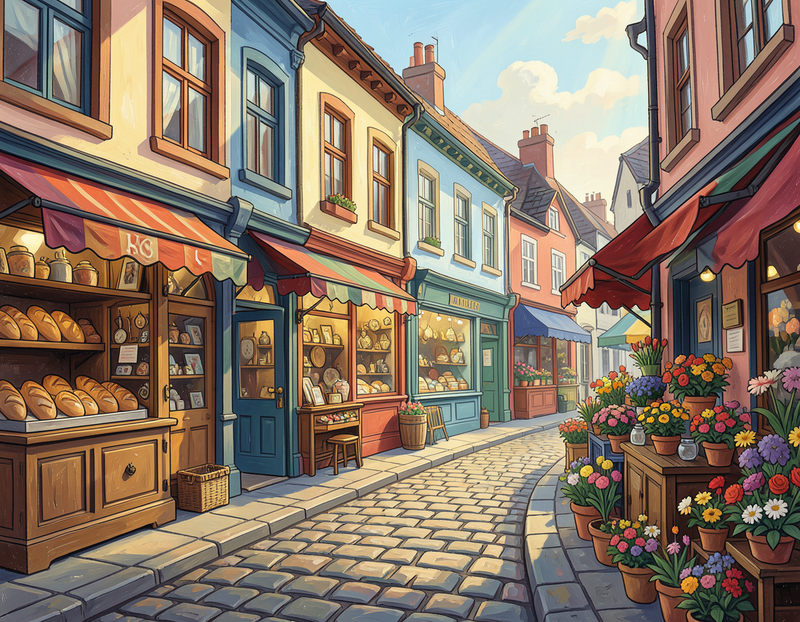
A charming row of eclectic storefronts along a cobblestone street.
Sunlight streams down, highlighting the unique architecture and vibrant awnings.
Details include a quaint bakery with fresh bread displayed, a dusty antique shop filled with curiosities, and a bustling flower shop overflowing with colorful blooms.
The scene is rendered in a vibrant painting style, with loose brushstrokes and warm, inviting colors, evoking the artistic works of Claude Monet.
Atmospheric perspective and soft light create a sense of depth and nostalgia.
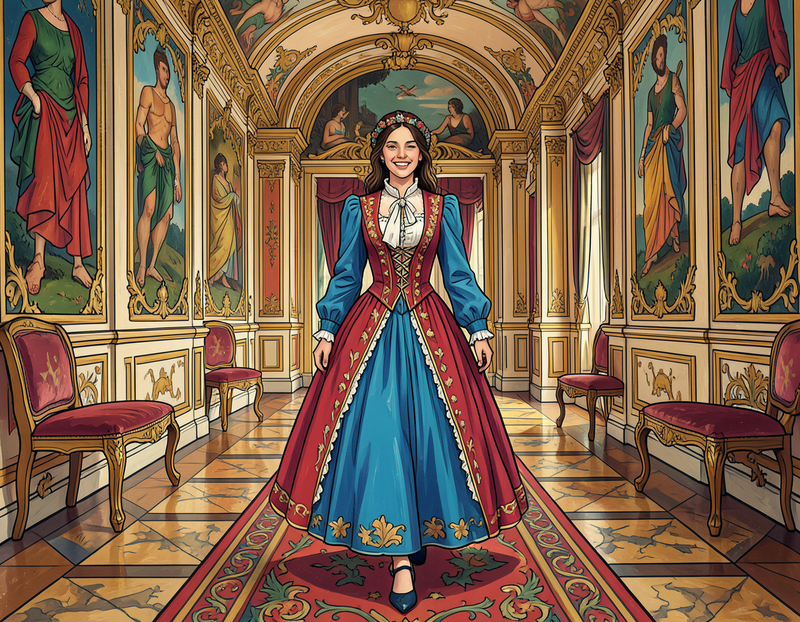
Victorian-clad young ladies walk smiling through a rococo palace hall
 Flow - 4x faster than typing
 Mini tools

 Generate

 Turn documents into narrated video presentations instantly.Open
 Start with a blog post, document, or topic, and Presentation Agent creates your presentation video automatically.
 Reducing manual efforts in first-pass during code-review process helps speed up the "final check" before merging PRs




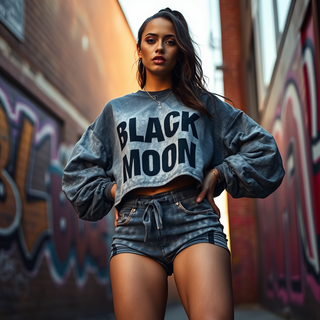



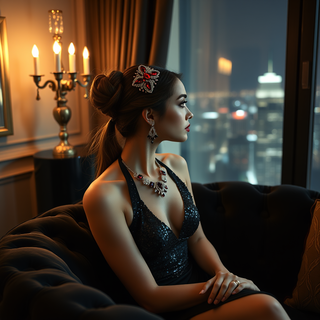

 I think it's the best image generator I ever found on the net. It gives more accurate image according to the prompt. And thank you for keeping it for free.
 Transform your images with AI — effortlessly enhance, edit, or reimagine any picture using advanced image-to-image generation. Perfect for creatives, designers, and anyone looking to bring visual ideas to life.Open
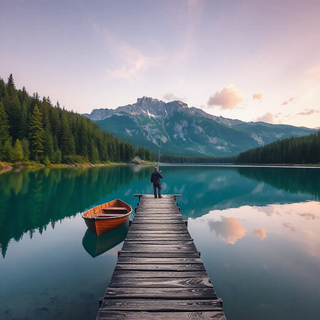
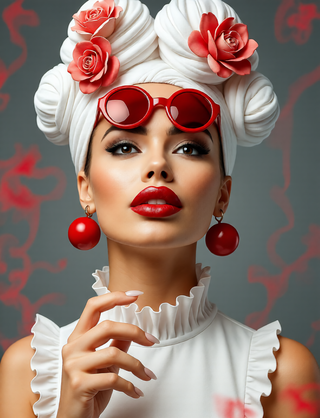


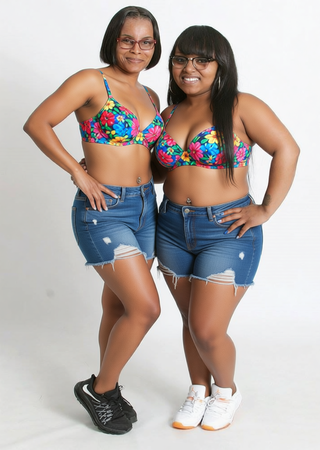
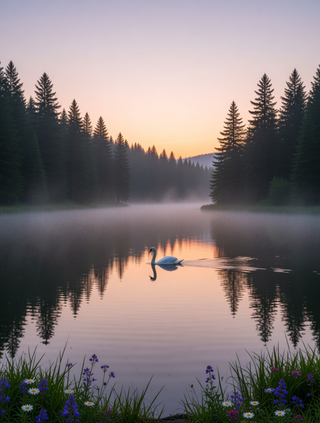
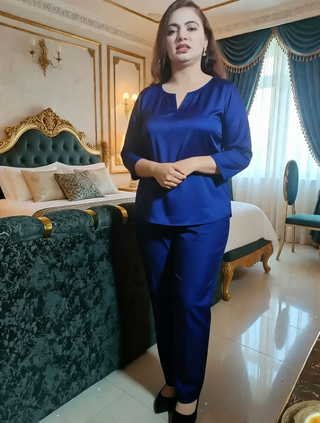
 Not at all accurate…. The only thing similar between original and generated images were the clothes and accessories… face was absolutely new and unconnected.




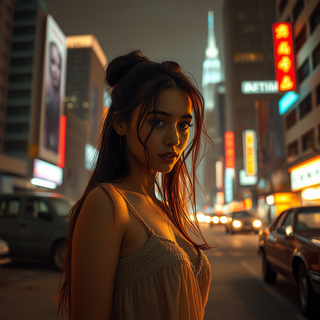

 There were no aristocratic Asians and Africans in ancient Rome.













 It’s quite nice! It does exactly what it suggests, which is amazing too.
 Open
Open
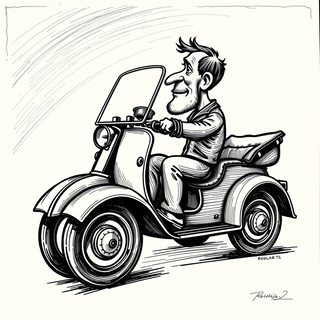
 Really impressive! The suggestions were simple, and the image came out beautifully well too!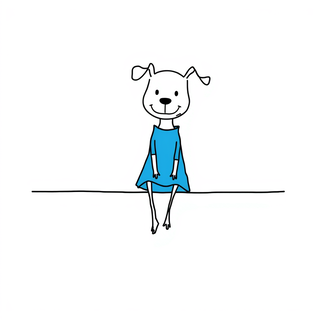


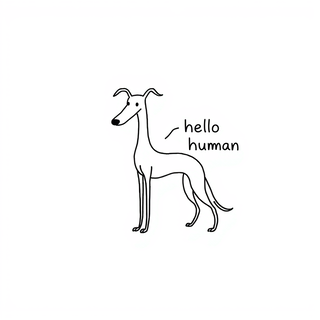
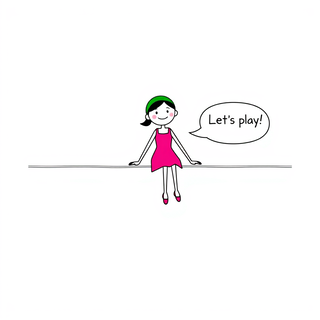


 It’s good tool, but needs work when I write what supposed to be written is not working properly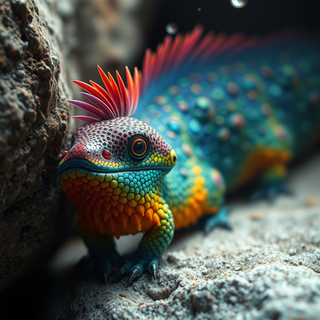



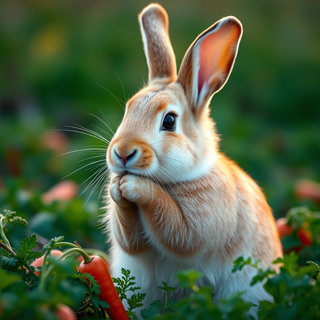


 this tool is nice! it generates what i request pretty fast, not to mention the quality. i really like how creative you can be as well, such as dressing up animals in funny clothes :)
 Open
Open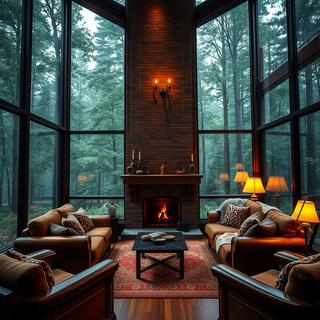
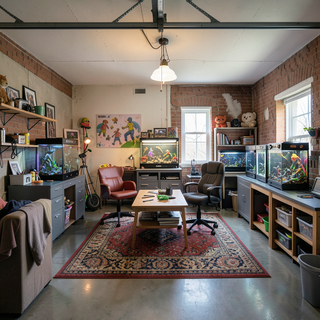

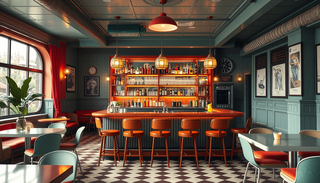


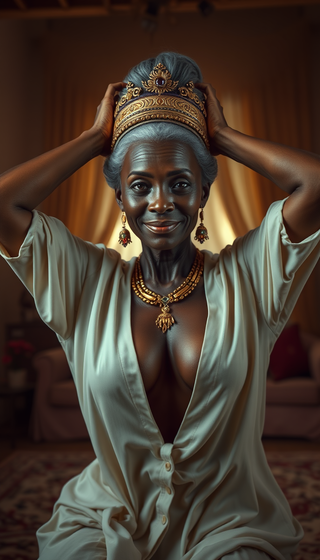
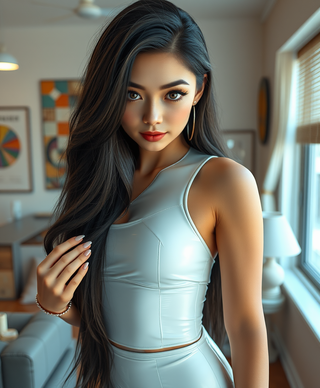
 It is very receptive to the prompts and gives very aesthetically pleasing results.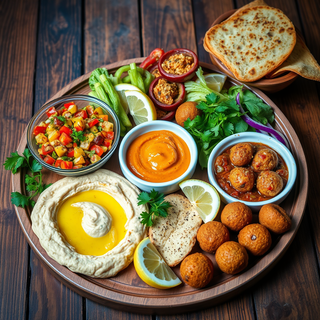









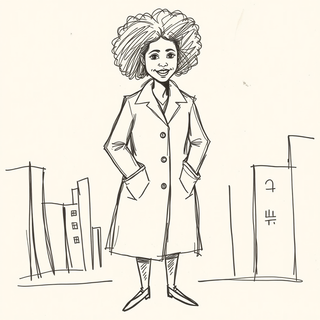


 It’s amazing!!! It’s one of the best sketch image bots I’ve used. It makes the images look well sketched too.


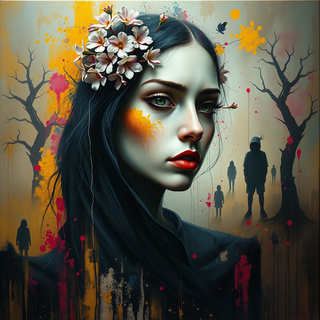

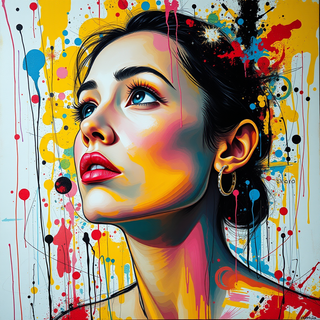
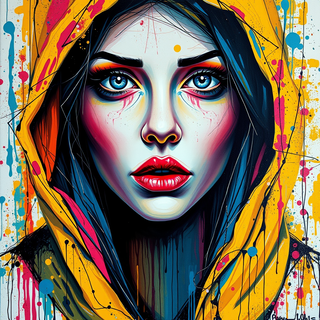
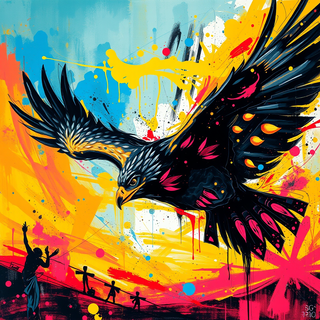
 This is a fantastic tool. It helps me a lot to illustrate my poems and short stories.