Mini tools
▼ Top rated
Concept art
Free mode
100% free
Freemium
Free Trial
Featured matches
-
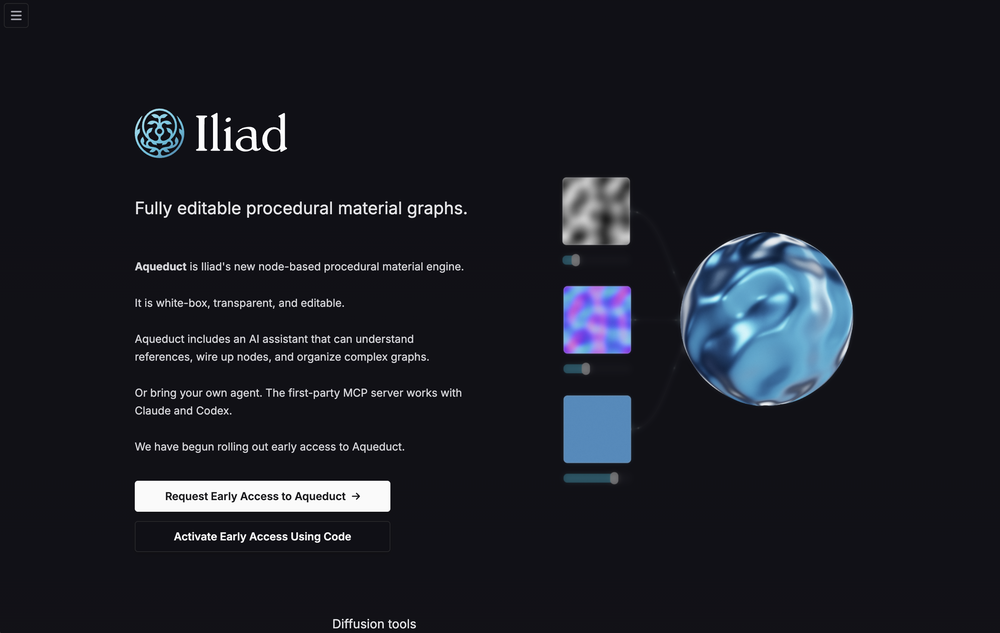
 Cristian Fildan🙏 28 karmaApr 15, 2025@IliadThe tool works wonderfully! Keep up the good work!
 -
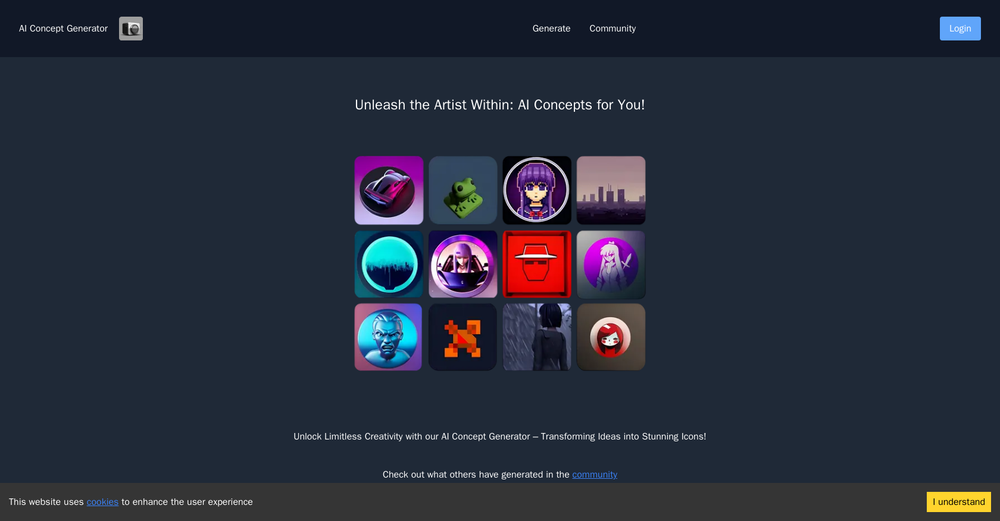
 AI generator for fantasy maps, character portraits, concept art, and lore names.Open
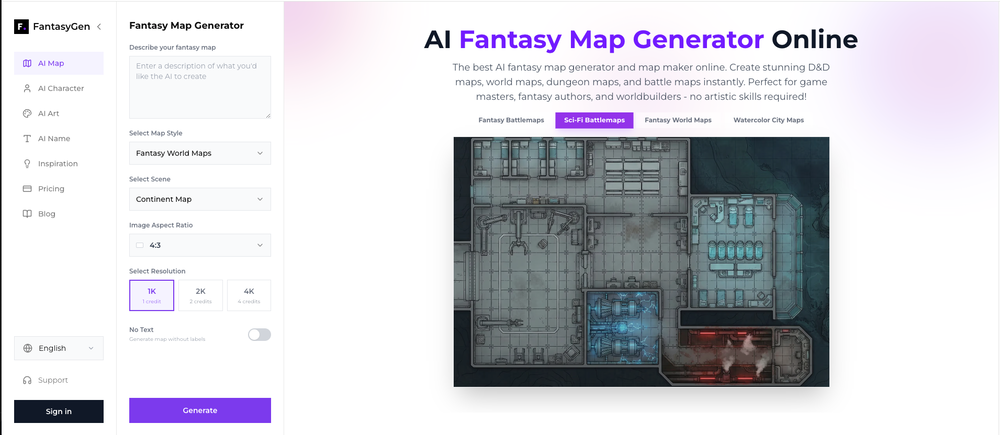 It's hard to know the capabilities of this system as only 1 credit—good for 1 generation—is on offer without a subscription. The generated map (Fantasy World / Continent) was nice, but it would be better if other types could be trialled as well.
 -



Other tools
-
 AI writing assistant that detects your intent and creates tailored content.Open
 -
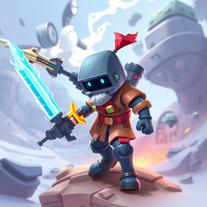
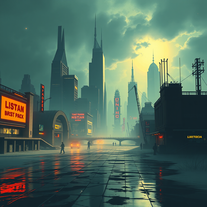
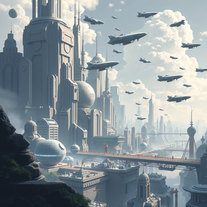
 Transform imagination into stunning futuristic visuals.OpenChanged the prompt to improve results.
 - Sponsor
 KiloClaw - Managed OpenClaw hosting
 -
 Open
Open -
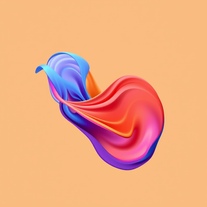 Transform concepts into stunning AI-generated visuals.Open
 -
seemed like a promising tool, but i kept getting an error every time i tried to create an account, so i couldnt even test it. kinda disappointing tbh, hopefully they fix that soon.
-
 Generate stunning manga-style illustrations in One Piece art style.Open
 -
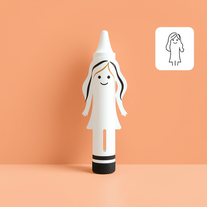
 Creates strikingly simple AI artwork using clean lines.OpenChanged the prompt to improve results.
 -
 OpenChanged the prompt to improve results.
 - Didn't find the AI you were looking for?
-
-
 Open
Open -
Artist Tips for Better Results with Somnira Canvas: To help Somnira Canvas render the most compelling and emotionally resonant figures—whether human or animal—users are encouraged to guide the tool with poetic, suggestive phrasing rather than highly technical descriptions. This helps maintain harmony with the platform’s expressive strengths. For human figures, try emotion-based posture phrases like “curled in sorrow,” “reaching toward a fading light,” or “kneeling in wind.” Favor mood-based modifiers over anatomical specifics, such as “a silhouette bathed in dusk” or “a quiet figure in motion blur.” For animals, use mythic or metaphorical phrasing like “a fox made of stars,” “a deer outlined in frost,” or “a lion woven from dusk and gold.” Avoid strict biological realism unless intentionally stylized (e.g., “cubist owl,” “ink-drawn heron”). Best practices include specifying camera perspective or body angle with terms like “3/4 view,” “top-down shot,” or “over-the-shoulder,” and adding atmospheric cues such as “drifting in chalk mist,” “outlined by candlelight,” or “carved in shadow.” You can also add emotion-based tags directly into the prompt—words like “longing,” “grief,” “stillness,” or “wonder” will guide the aesthetic and expressive qualities of the final artwork.
-
 Open
Open






Post